To avoid a soggy bottom on a fruit pie, use a metal pie tin, bake the pie on a baking tray preheated in a hot oven, keep the filling thick and cool, and for open pies, blind bake the pastry first. A soggy bottom happens when the base does not get hot enough to crisp before the juices from the filling soak in. Each of these steps helps the pastry base set quickly and stay crisp.
What causes a soggy bottom?
Pastry needs strong heat from underneath to cook through. In a pie, the base sits under a heavy, wet filling that keeps it cool and releases juice as it warms. If the heat reaching the base is weak, the pastry absorbs the liquid before it has a chance to crisp. Ceramic dishes, cool ovens, warm fillings and very juicy fruit all make this more likely.
Which pie dish works best?
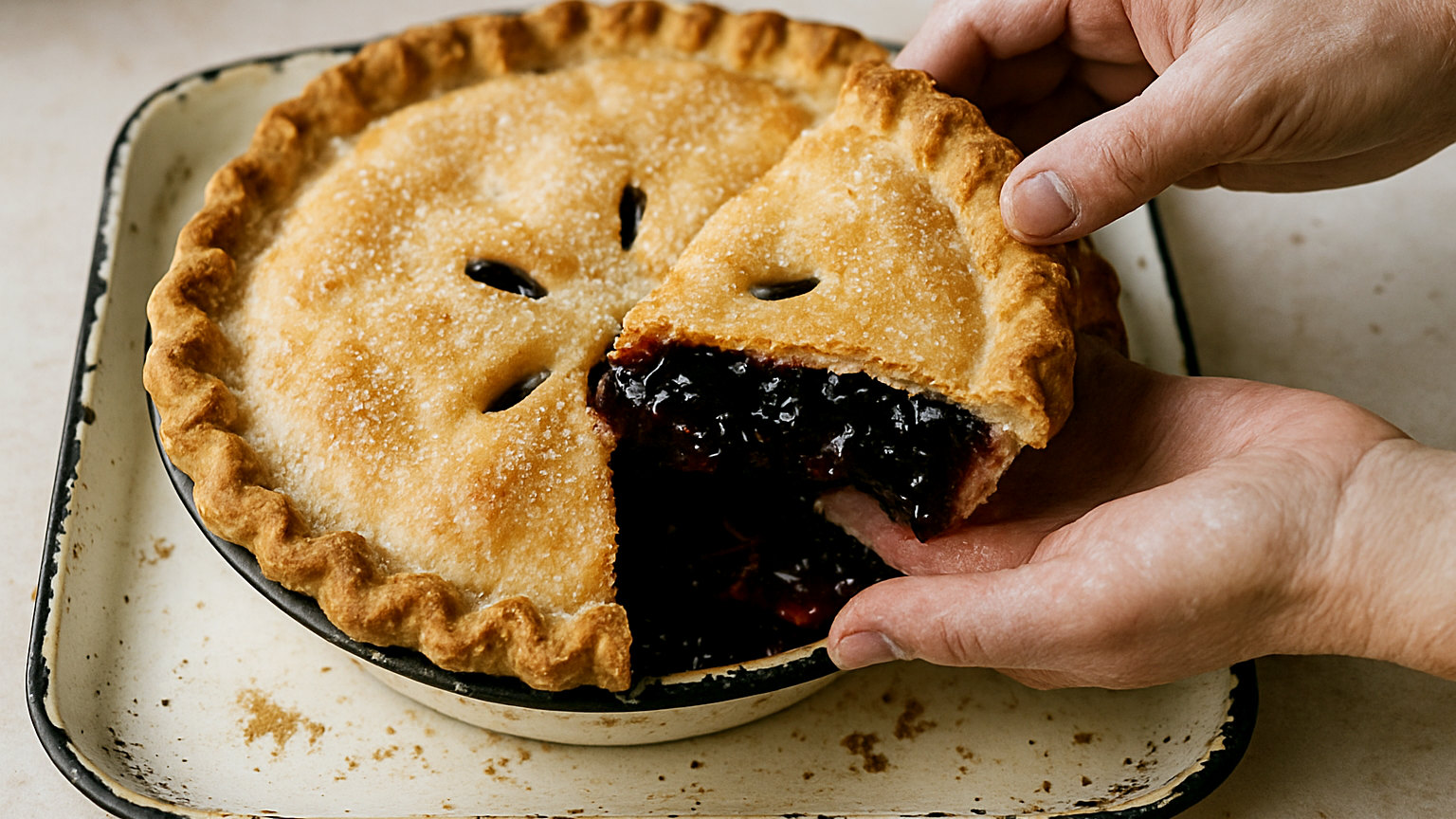
A metal tin, especially thin aluminium or enamelled steel, conducts heat quickly to the pastry, giving a crisp, golden base. Ceramic and glass dishes look lovely but heat slowly, so the base often stays pale and soft. If you use a ceramic pie dish, a preheated baking tray underneath and a slightly longer bake become even more important.
How does a hot baking tray help?
Putting a heavy baking tray in the oven while it heats, then setting the pie directly on it, gives the base an immediate blast of heat from below. This sets the pastry quickly before the juices can soak in. Baking the pie on a lower shelf, closer to the heat source in many ovens, helps too. The tray also catches any juice that bubbles over.
Should you blind bake the pastry?
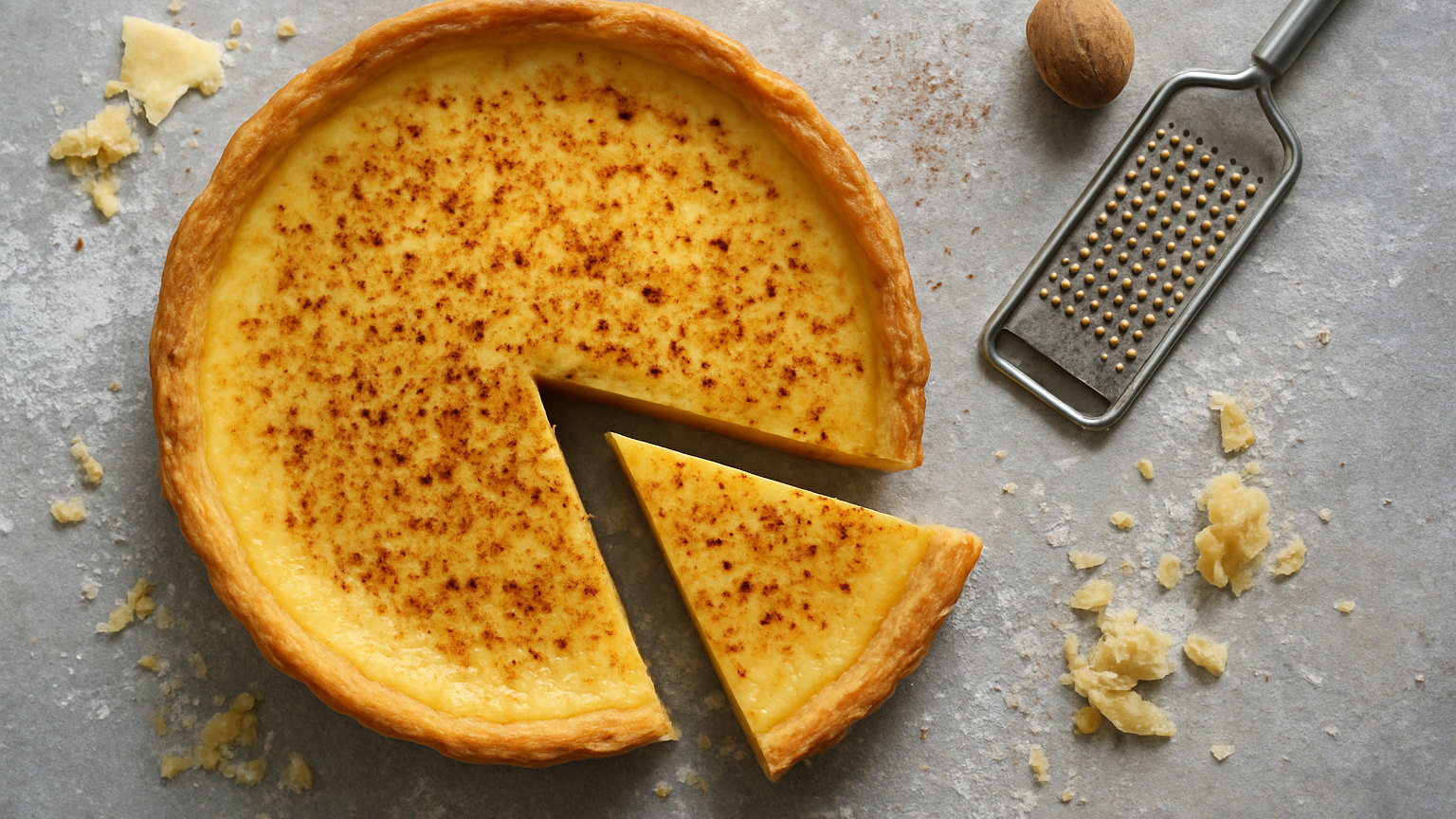
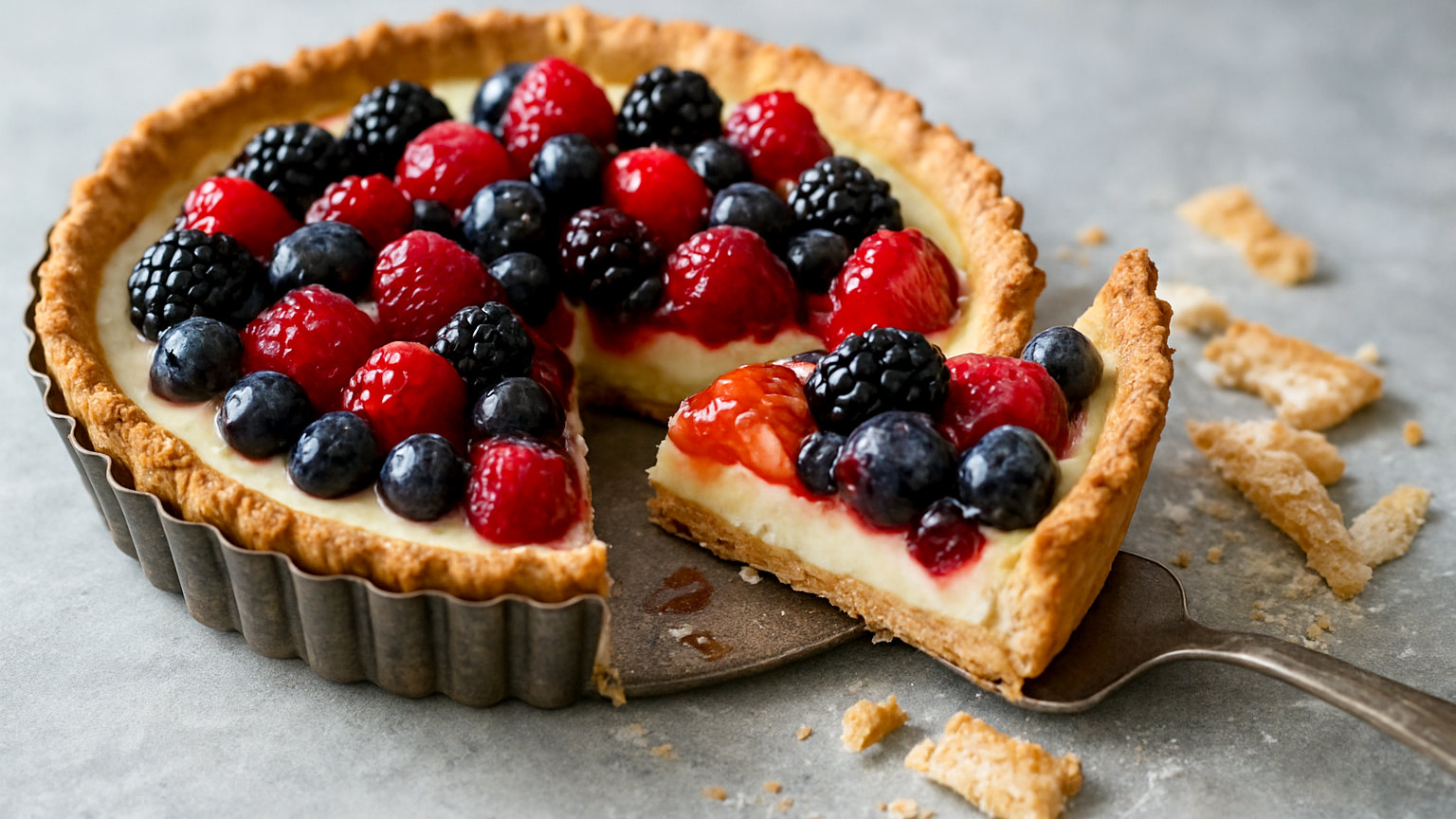
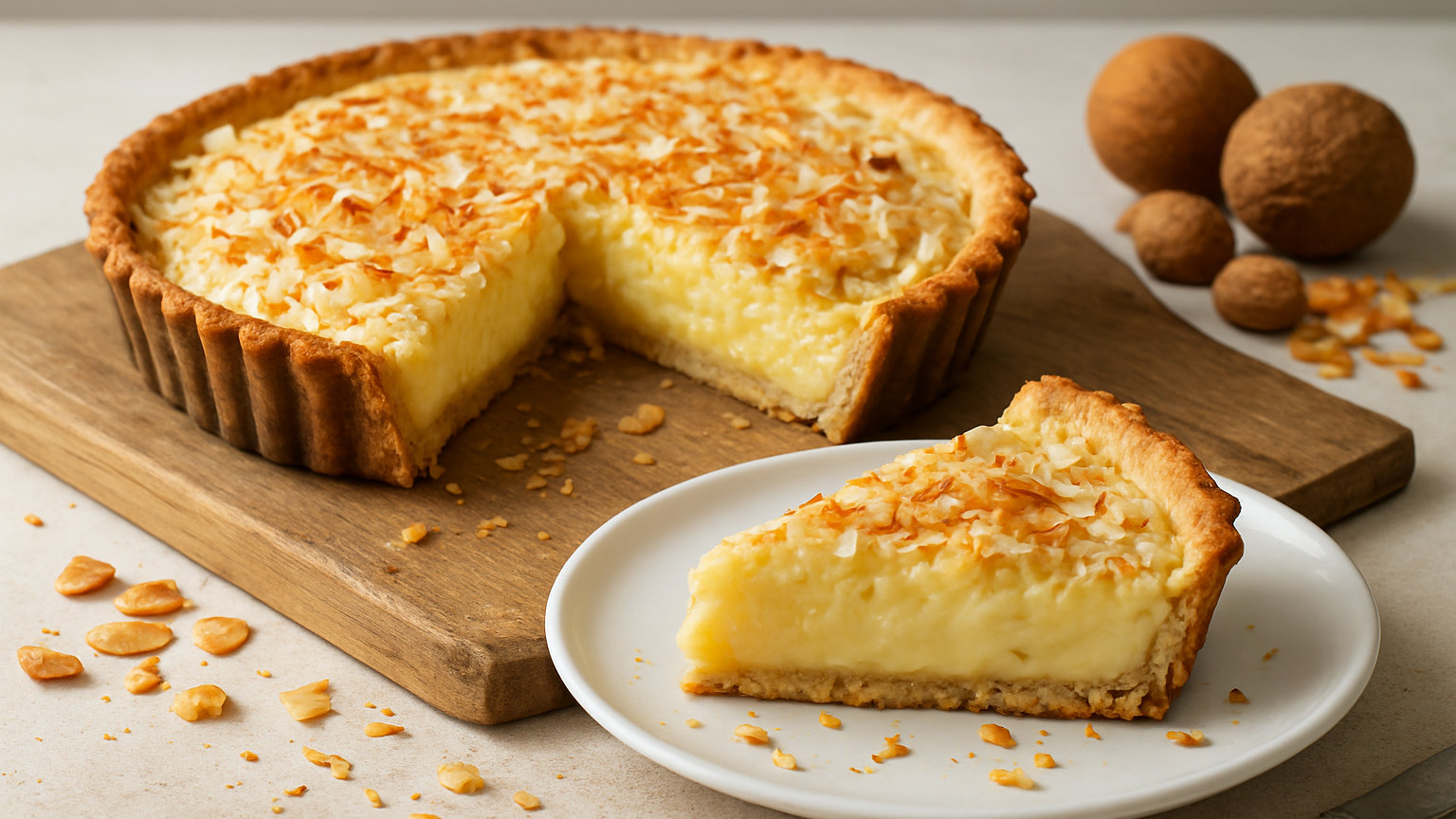
For open pies and tarts, yes. Blind baking means baking the pastry case before adding the filling. Line the pastry with baking paper, fill with baking beans or rice and bake at 200°C (180°C fan) for 15 minutes, then remove the paper and beans and bake for five minutes more until dry. For double-crust pies, blind baking is not usually needed, as long as you use a metal tin and a hot tray.
What else keeps the base crisp?
- Keep the filling cool before it goes into the pastry, as warm filling melts the butter.
- Thicken juicy fillings with cornflour, or pre-cook them and cool, so there is less free liquid.
- Brush the pastry base with beaten egg white before filling. It forms a thin, waterproof layer as it bakes.
- Scatter a spoonful of ground almonds, fine breadcrumbs or semolina over the base to absorb juice.
- Roll the base pastry slightly thinner than the lid, so it cooks through more quickly.
- Fill and bake the pie straight away, rather than leaving it to sit.
Start hot: begin baking at a high temperature, around 200°C (180°C fan), for the first 20 minutes to set the pastry, then lower the heat to finish cooking the filling.
How do you know if the base is cooked?
With a metal tin, you can carefully lift the edge of the pie with a palette knife to check the underside is golden. In a glass dish, you can see the base directly. If it is still pale, return the pie to the oven on the lowest shelf, covering the top with foil to stop it overbrowning.
Can you rescue a soggy bottom?
If you notice a pale base once the pie is out of the oven, put it back on a hot baking tray on the lowest shelf for 10 to 15 minutes, with foil over the top. This often crisps the base enough. If not, serve it with custard, and nobody will mind.
Does the pastry recipe make a difference?
It does. Pastry made with all butter and a little egg yolk crisps well and resists moisture better than a very wet dough. Using too much water makes pastry tough and prone to sogginess. Rolling the pastry evenly, without thin patches, also helps the whole base bake at the same rate.