Custard Powder or Homemade Custard?
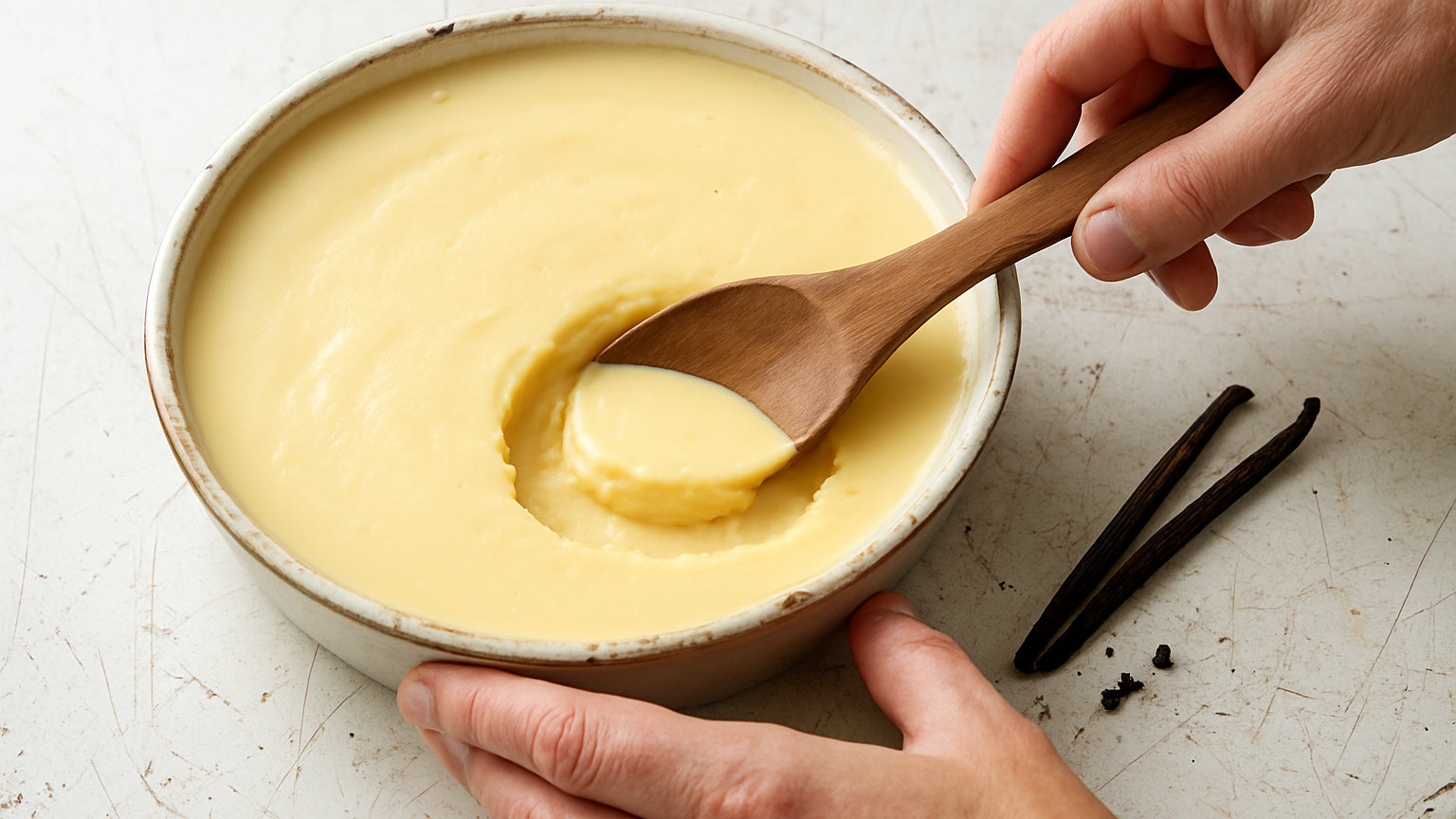
What custard powder actually is, how it differs from egg custard, and when each one is the sensible choice. Both are properly traditional.
By Dessert Recipes Kitchen
11 Aug 2026

Proper pouring custard made with eggs, crème anglaise, baked custards, crème brûlée and crème caramel. We explain how to thicken custard without scrambling it, how to rescue one that has started to split, and when custard powder is the right call.
What custard powder actually is, how it differs from egg custard, and when each one is the sensible choice. Both are properly traditional.
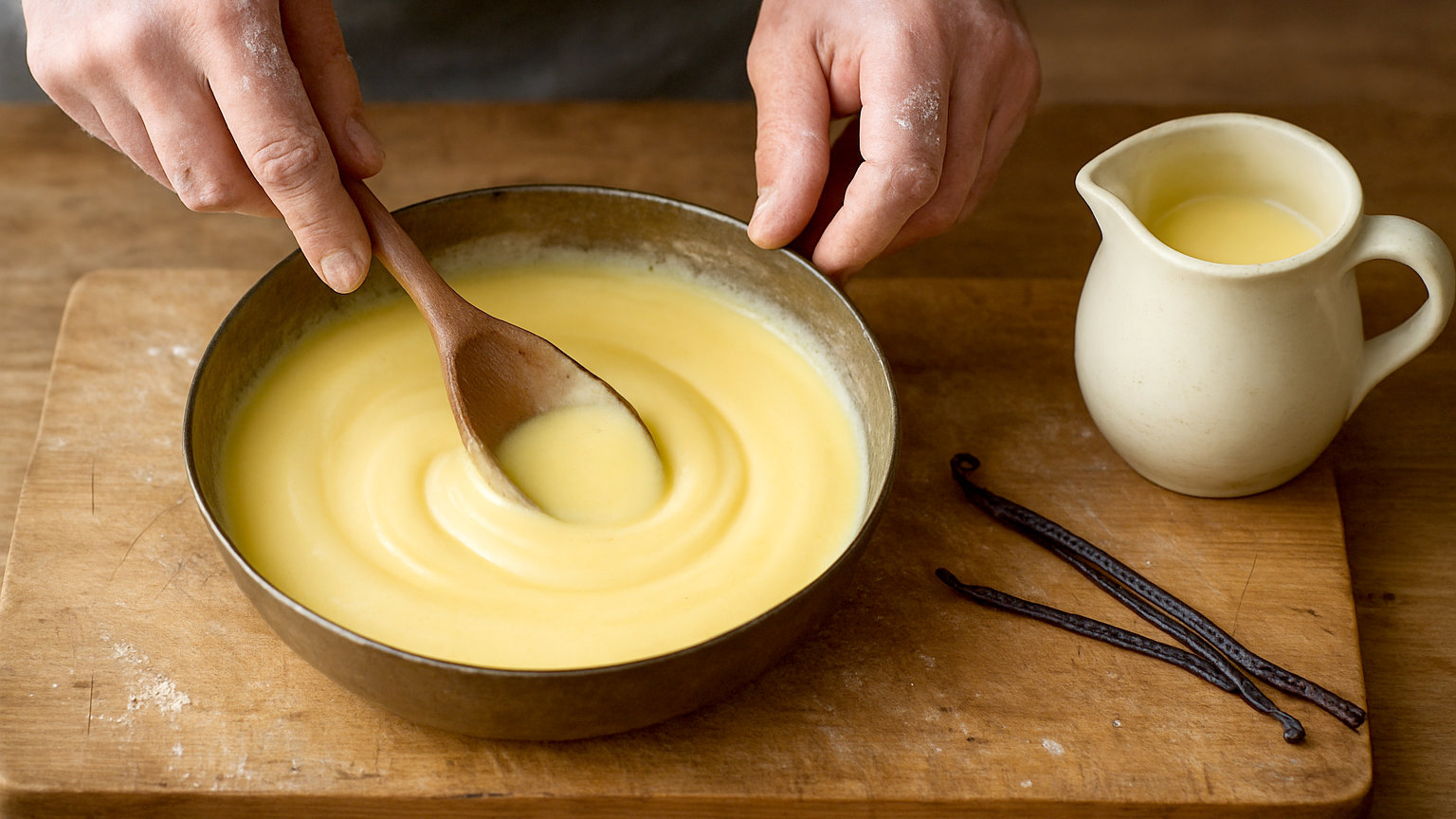
Why custard stays thin, which thickener suits which use, and how thick each kind should be for pouring, filling or setting into a layer.
A firmer custard that sets into a distinct layer rather than soaking into the sponge. The difference between a good trifle and a soggy one.
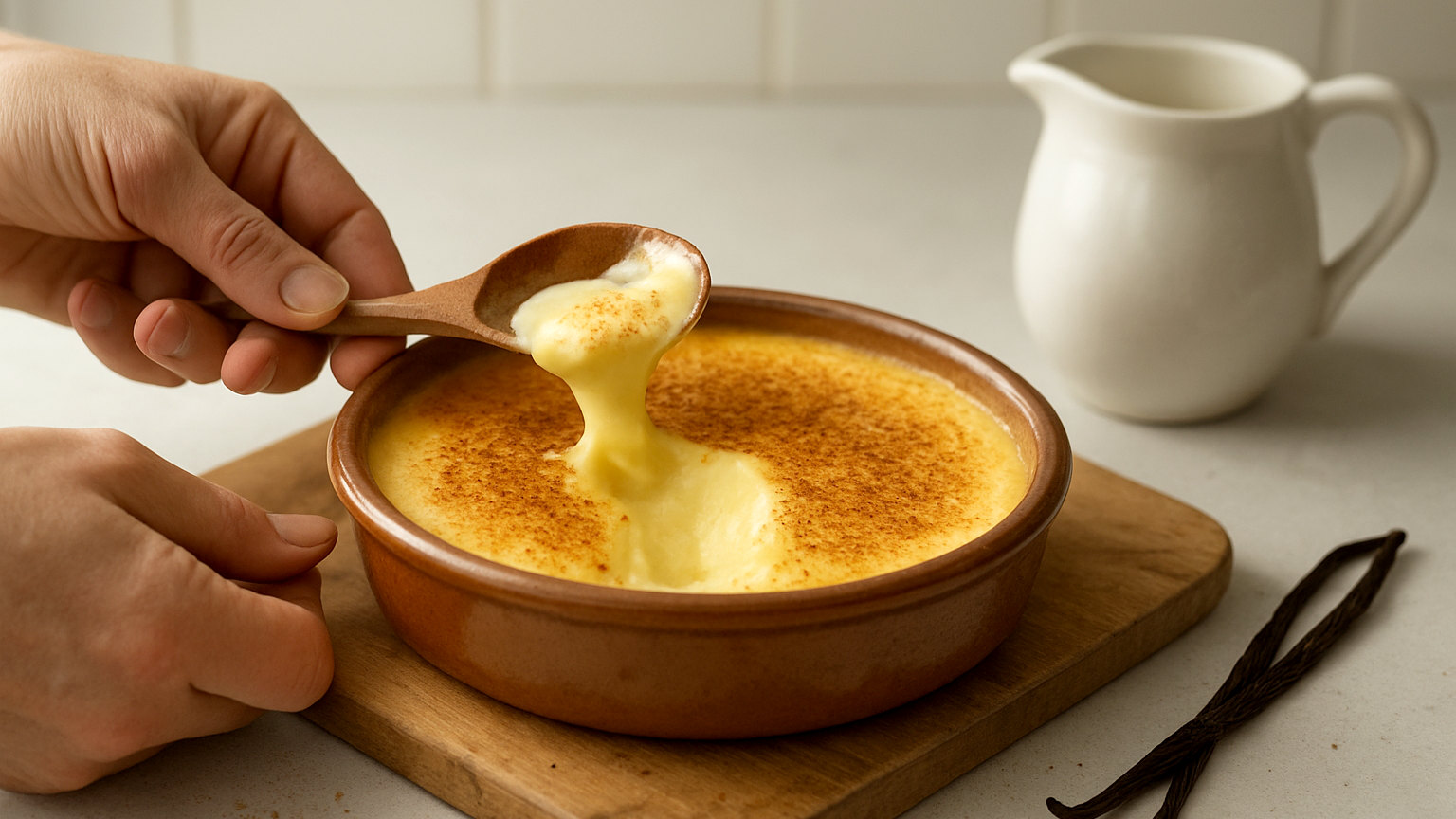
A plain, gently set custard baked in a dish with nutmeg on top. No pastry, no caramel, nothing to distract from milk, eggs and vanilla.
A Spanish custard infused with cinnamon and lemon, thickened on the hob rather than baked, and finished with a crackling sugar top.
A delicate baked custard turned out of its mould so the caramel runs down the sides as a sauce. Lighter than crème brûlée and made with whole eggs.
Beyond vanilla: infusing custard with citrus, spices, coffee, tea or herbs, and which flavours suit which puddings.
Egg yolks, sugar and Marsala whisked over gentle heat into a warm, frothy custard. Served in glasses within minutes of making it.
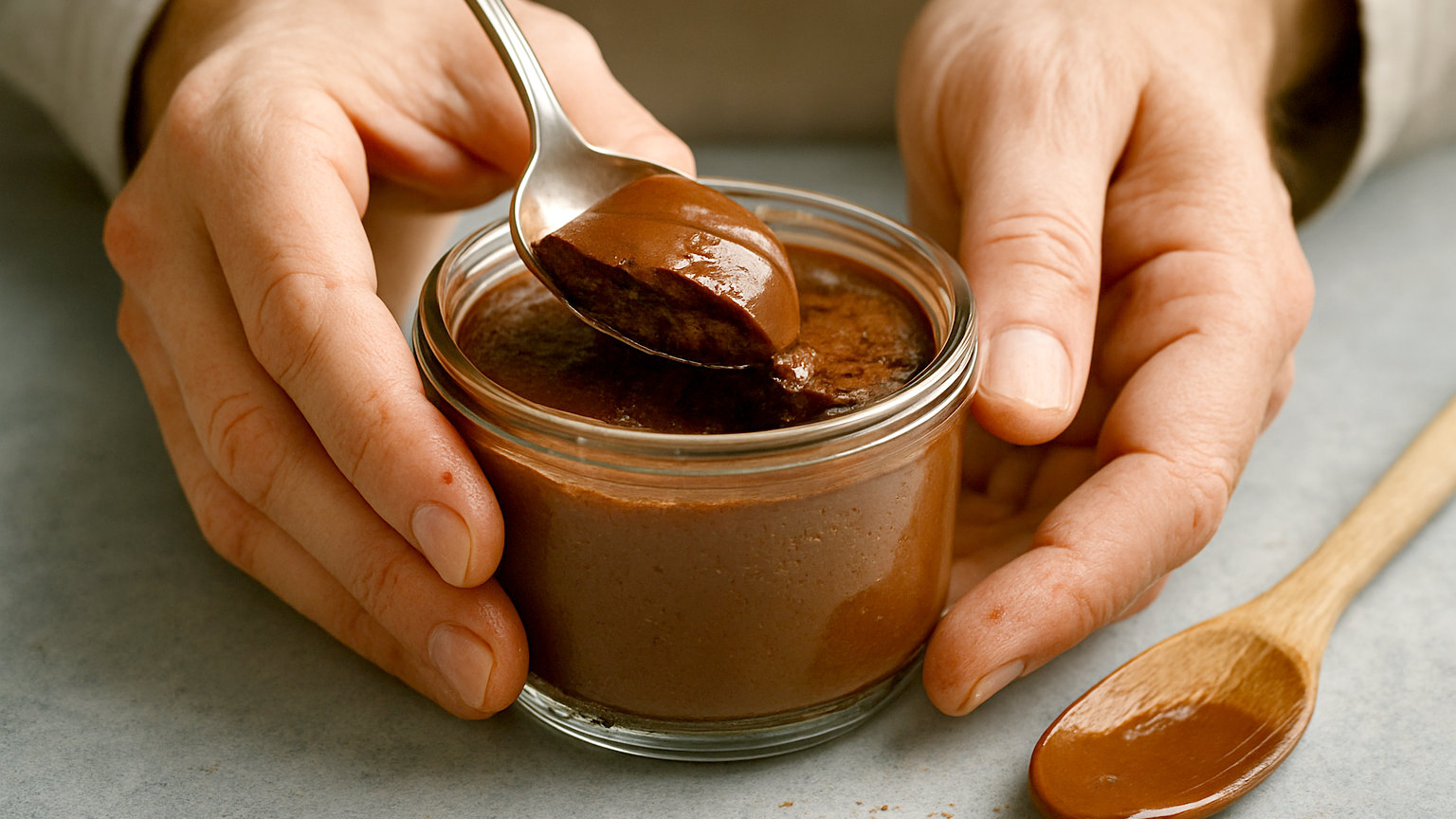
Small pots of dense, silky baked chocolate custard, set gently in a water bath and served chilled. Rich enough that a small pot is plenty.
A pouring custard made with plant milk that tastes properly of vanilla, with notes on which milks work and which separate in the pan.
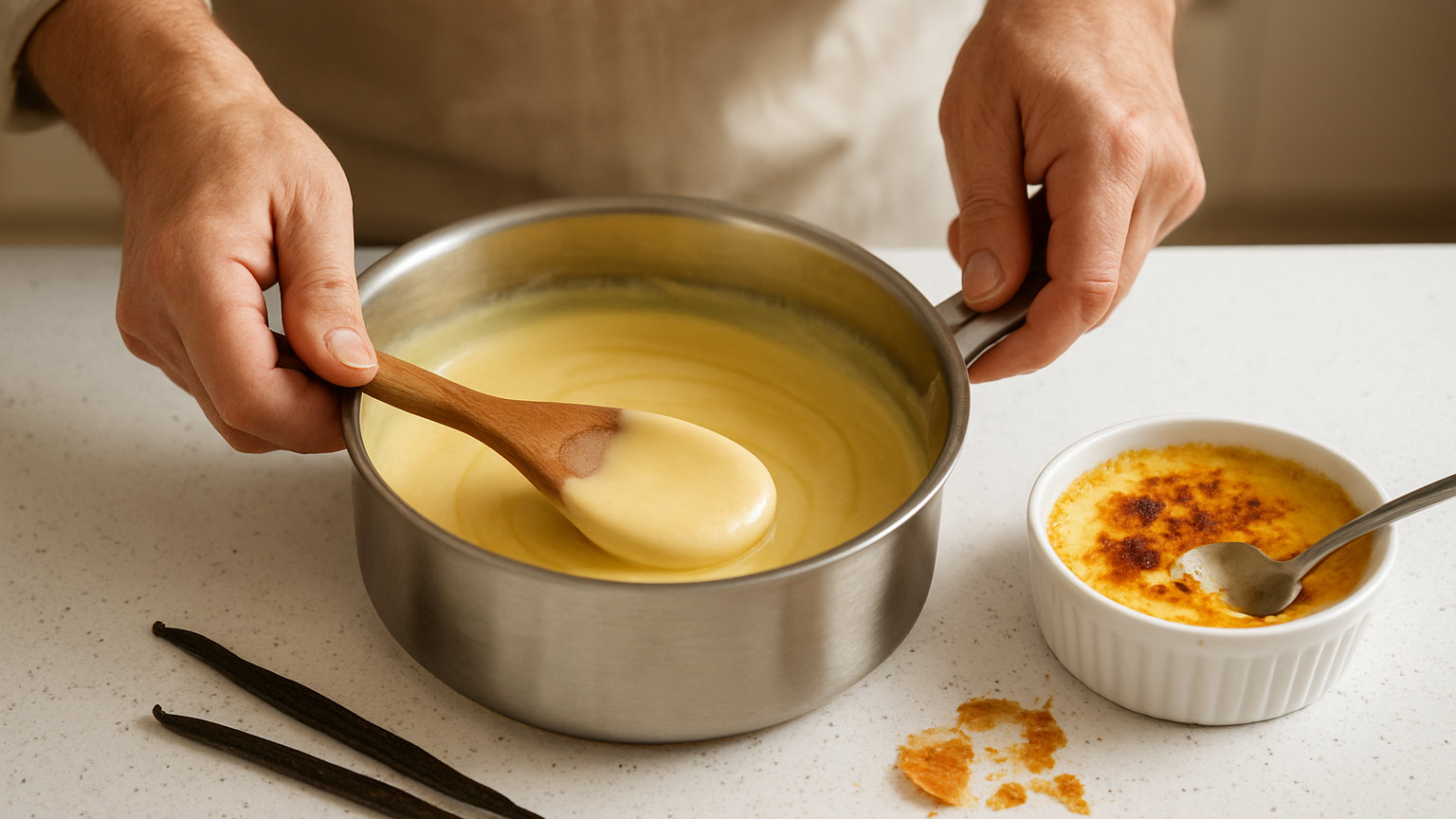
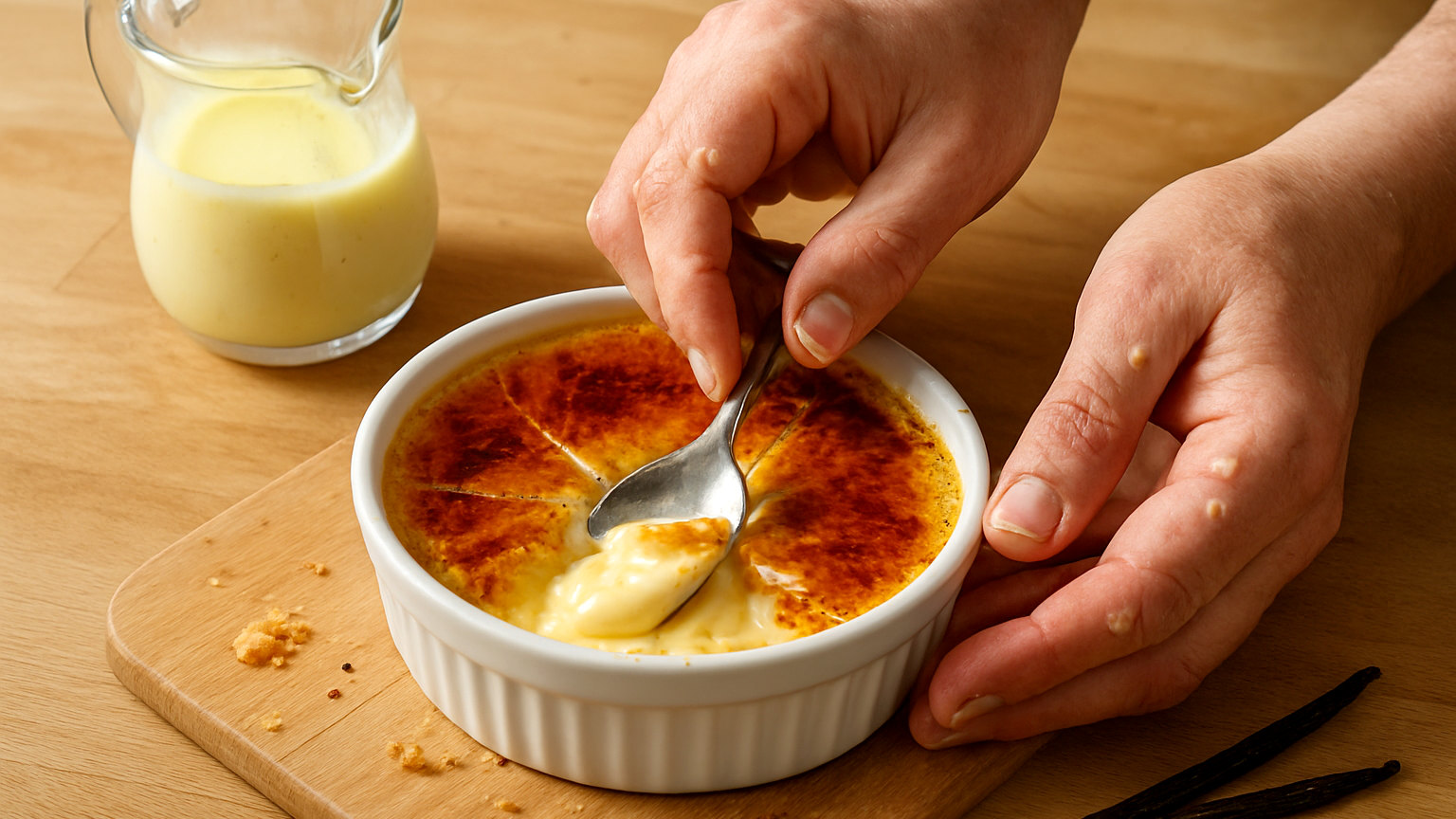
A silky baked vanilla custard under a sheet of caramelised sugar that cracks under a spoon. Four ingredients and a blowtorch.
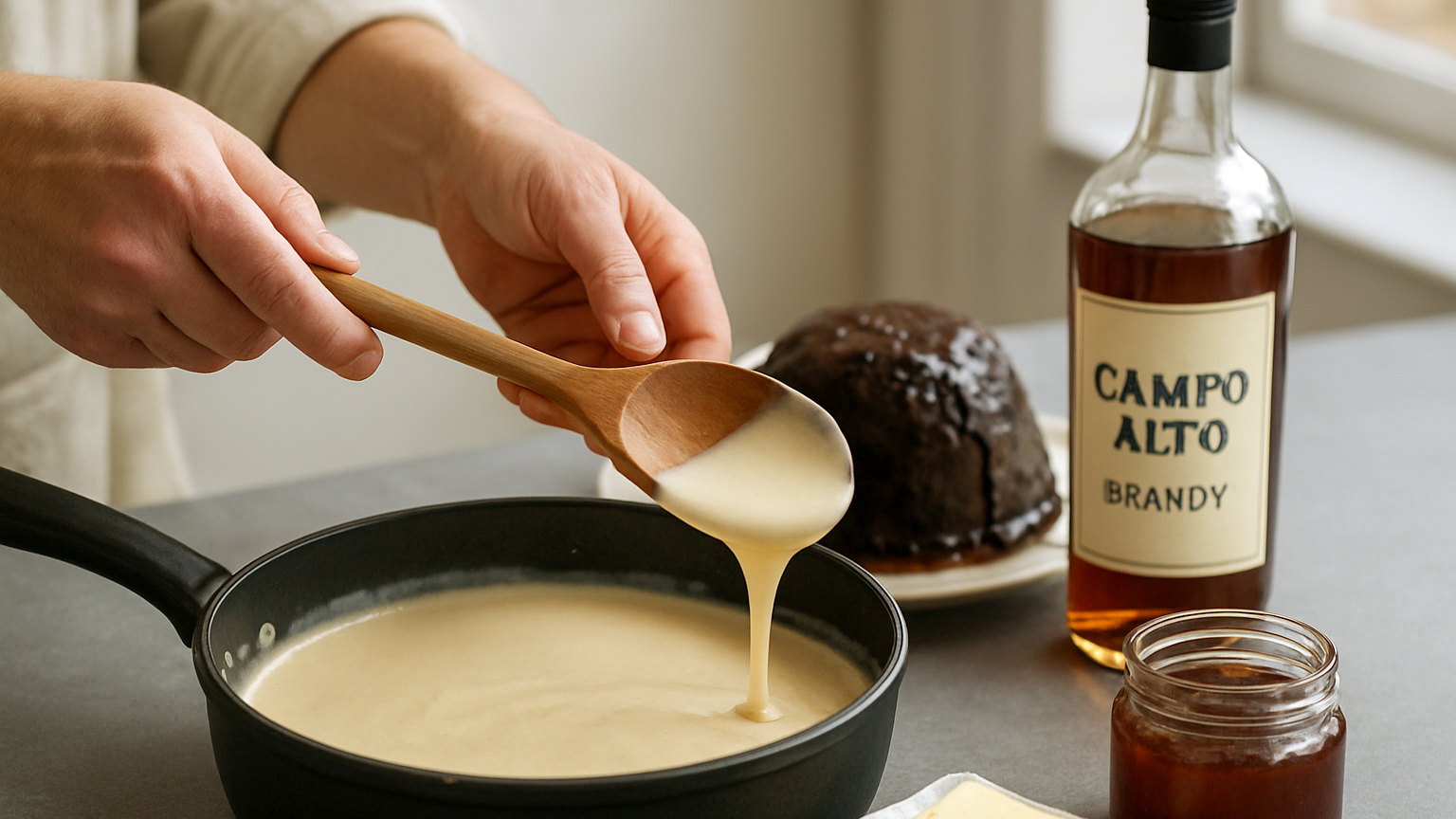
A smooth, pale sauce of milk, butter and brandy, poured hot over Christmas pudding and mince pies. Richer than custard and far quicker.