Lemon Granita Recipe
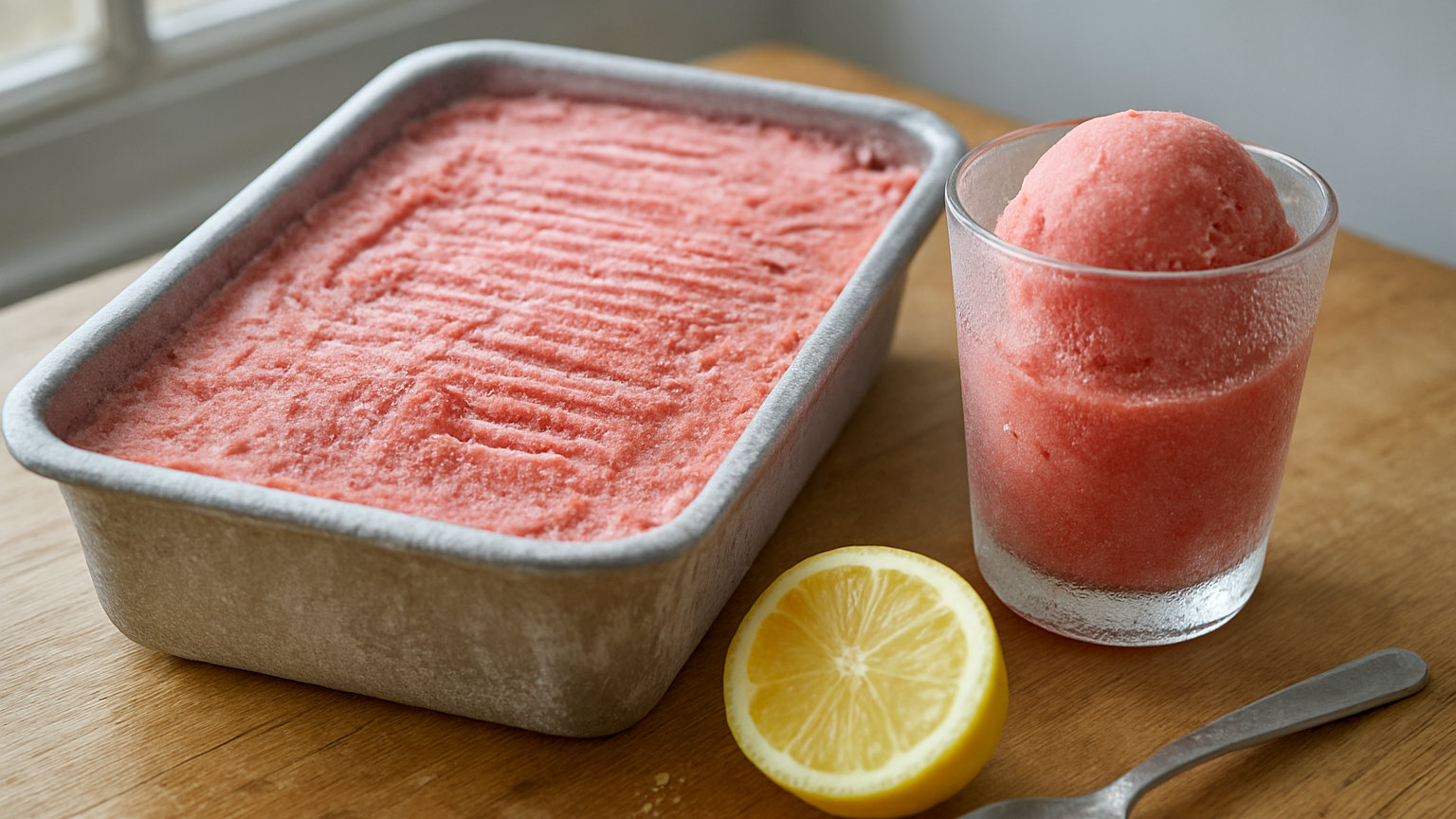
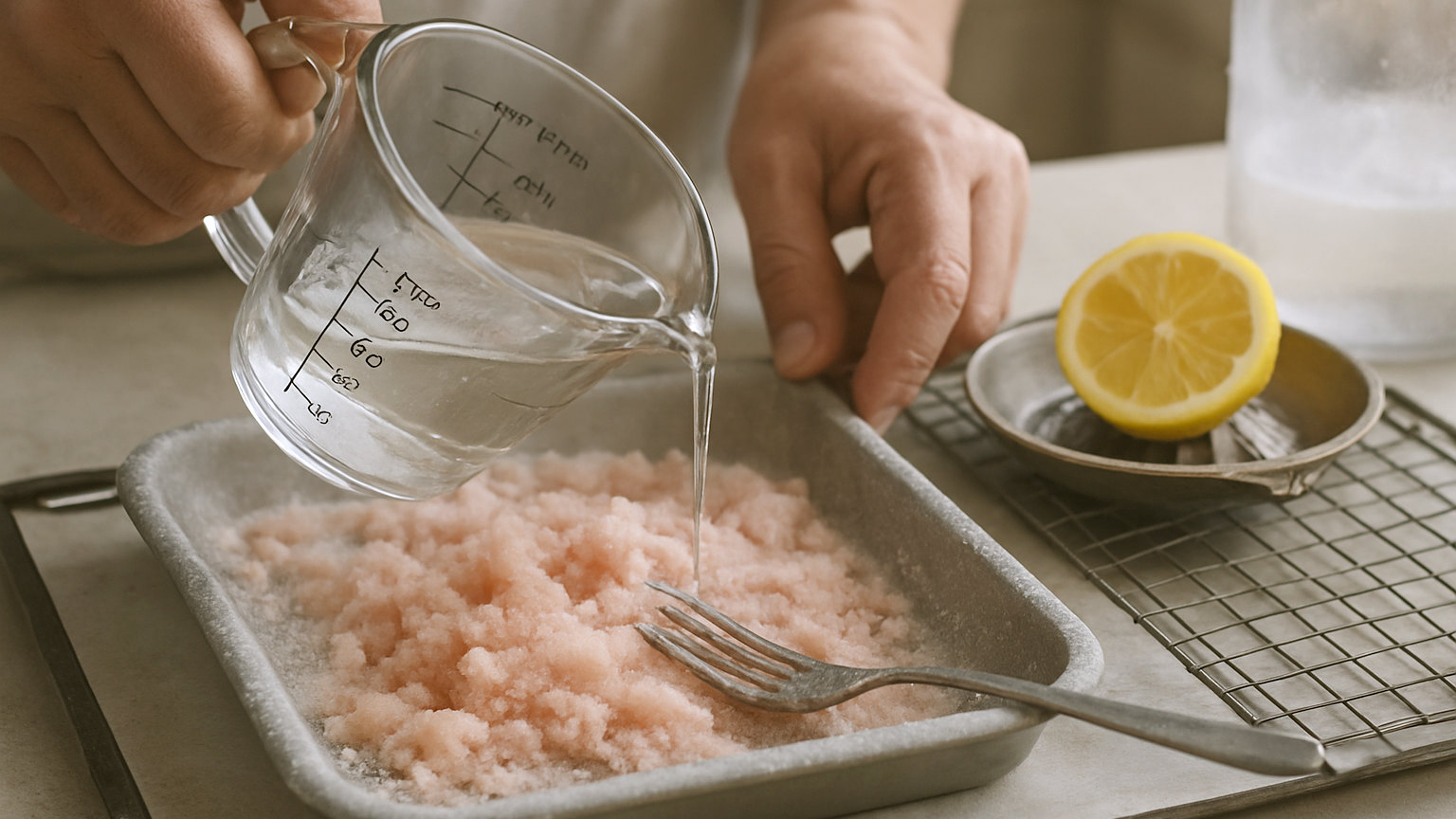
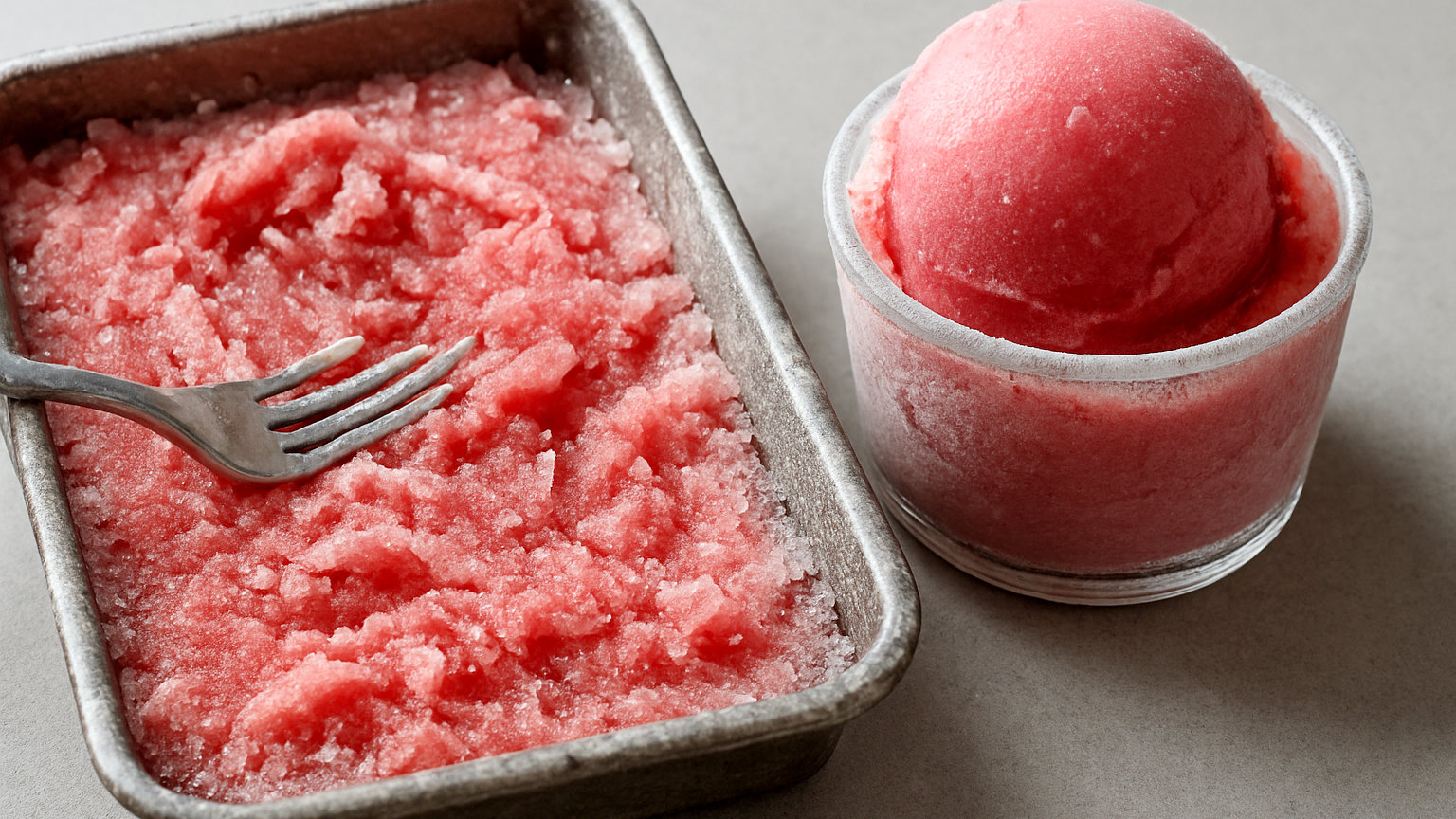
A Sicilian ice made by scraping the mixture with a fork as it freezes, giving coarse, glittering crystals instead of a smooth sorbet.
By Dessert Recipes Kitchen
11 Aug 2026

Lemon, mango, raspberry and blood orange sorbets, plus granitas and sherbets, dairy-free and bright enough to finish a rich meal. These recipes show how the sugar level decides whether a sorbet scoops or shatters, and how to judge sweetness before it goes in the freezer.
A Sicilian ice made by scraping the mixture with a fork as it freezes, giving coarse, glittering crystals instead of a smooth sorbet.
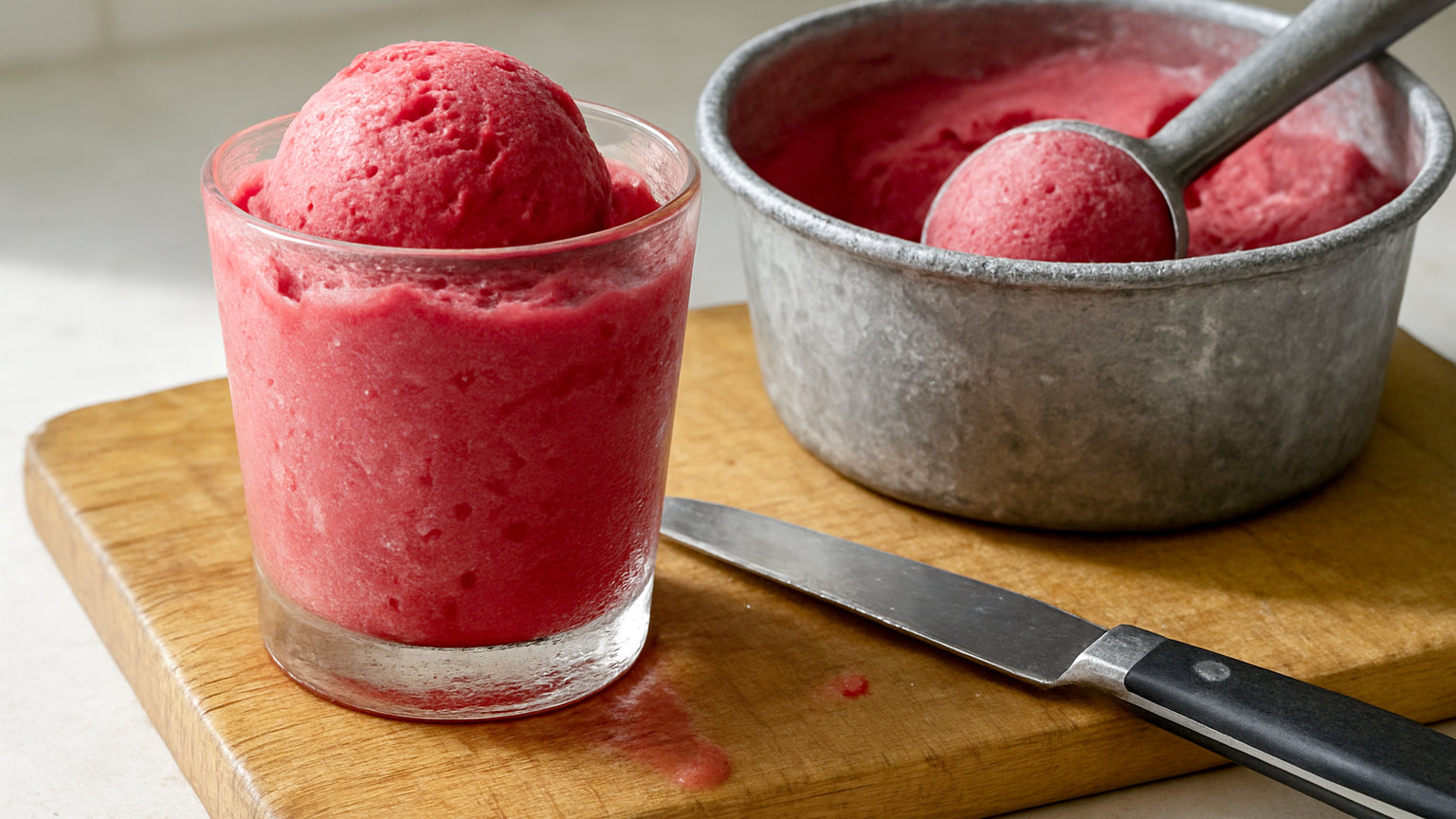
A deep pink sorbet that tastes more intensely of raspberries than the fresh fruit does, made from sieved purée and a simple sugar syrup.
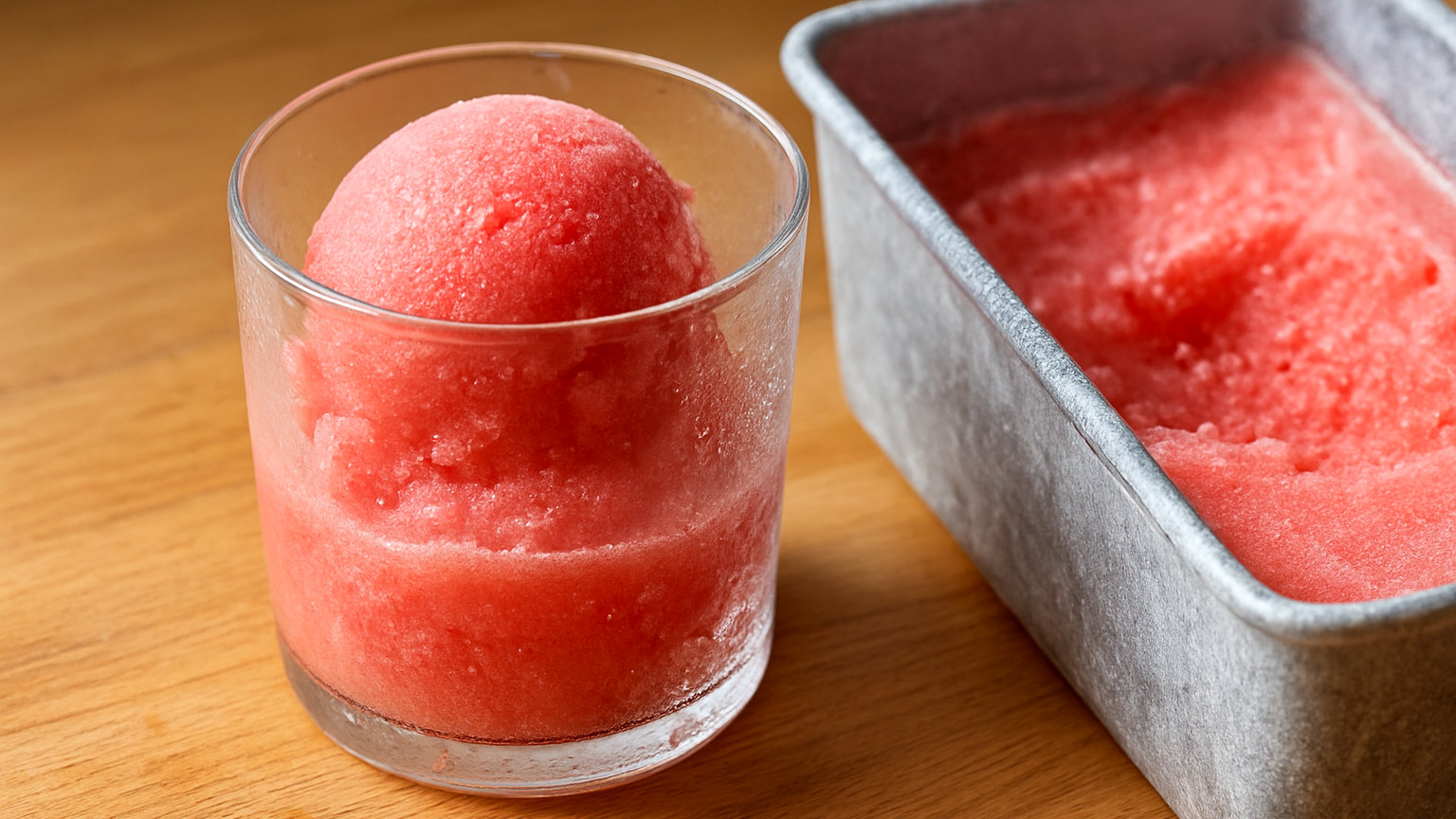
The most refreshing sorbet there is, made from blended watermelon with mint infused into the syrup. Almost no work and no cooking of the fruit.
A pale red sorbet that needs its purée reducing first, because strawberries carry more water than any other berry worth freezing.
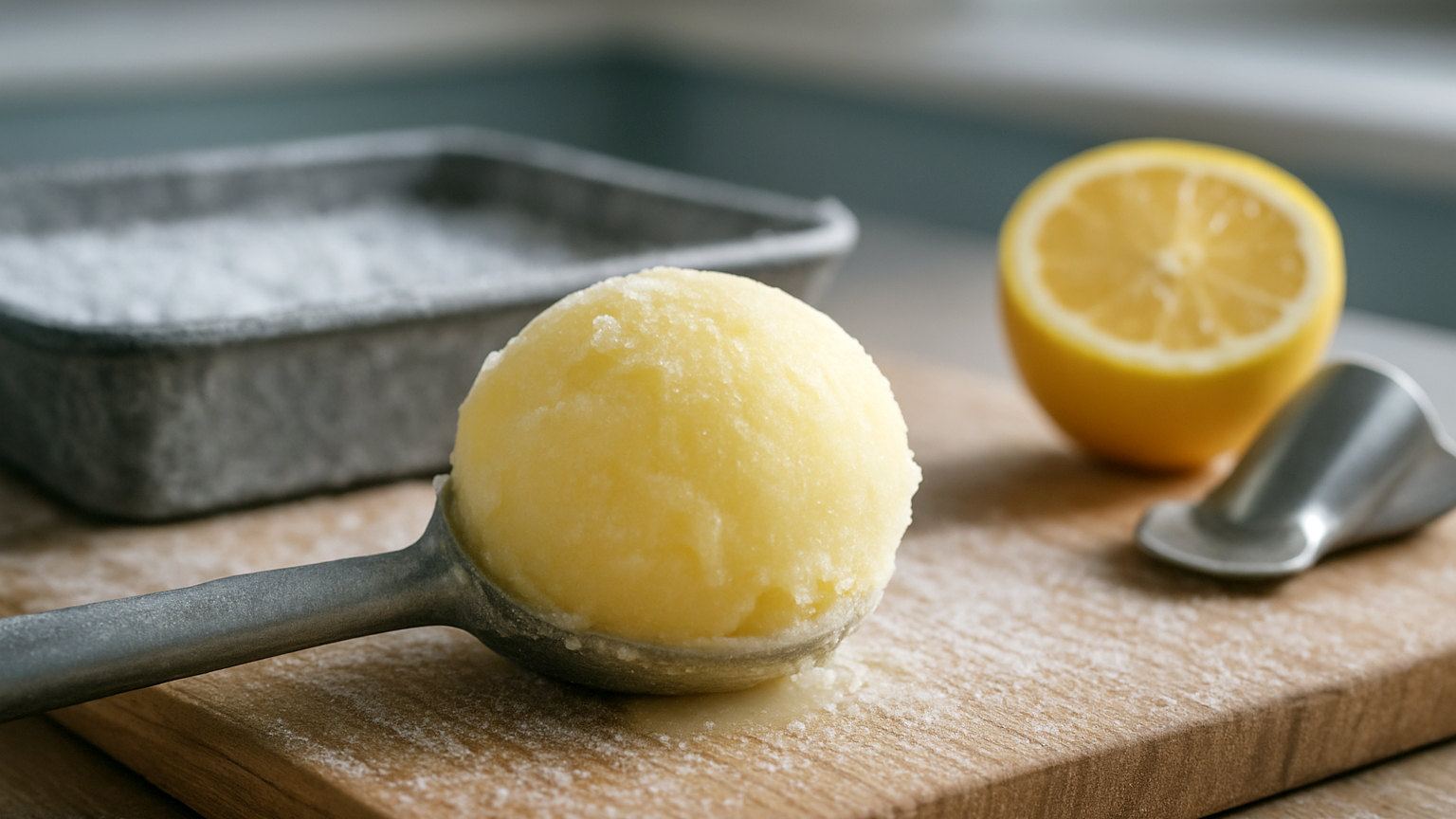
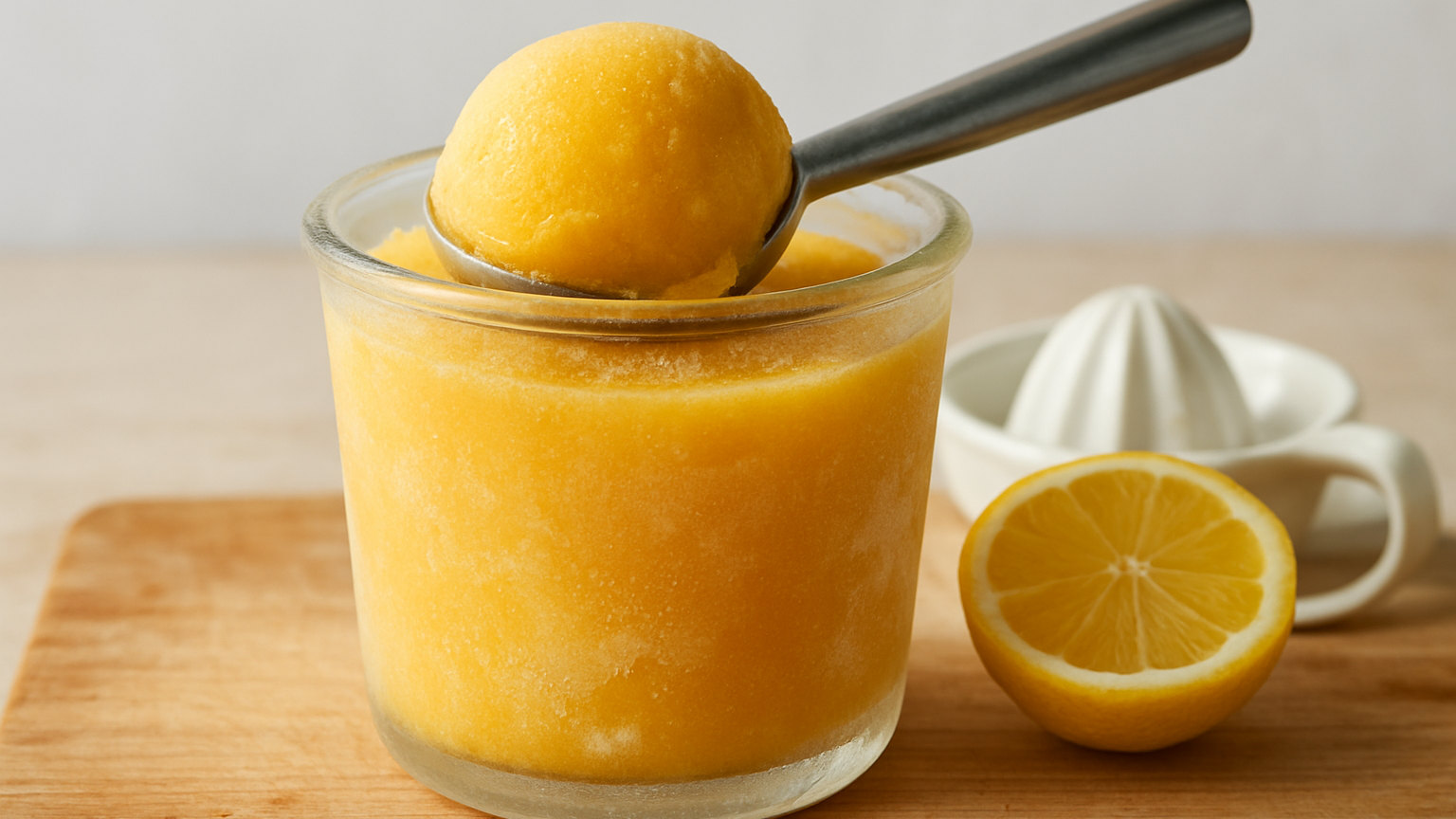
Sharp, clean and intensely lemony, made from nothing but lemons, sugar and water. The sorbet everything else is measured against.
A golden, intensely fragrant sorbet that needs very little added sugar, because ripe mangoes bring plenty of their own.
The syrup that underpins every sorbet, how strong to make it, how to judge the sugar balance and the old egg test that still works.
Sorbet that sets like a rock has almost always got too little sugar. What the balance should be, and the other three things that cause it.
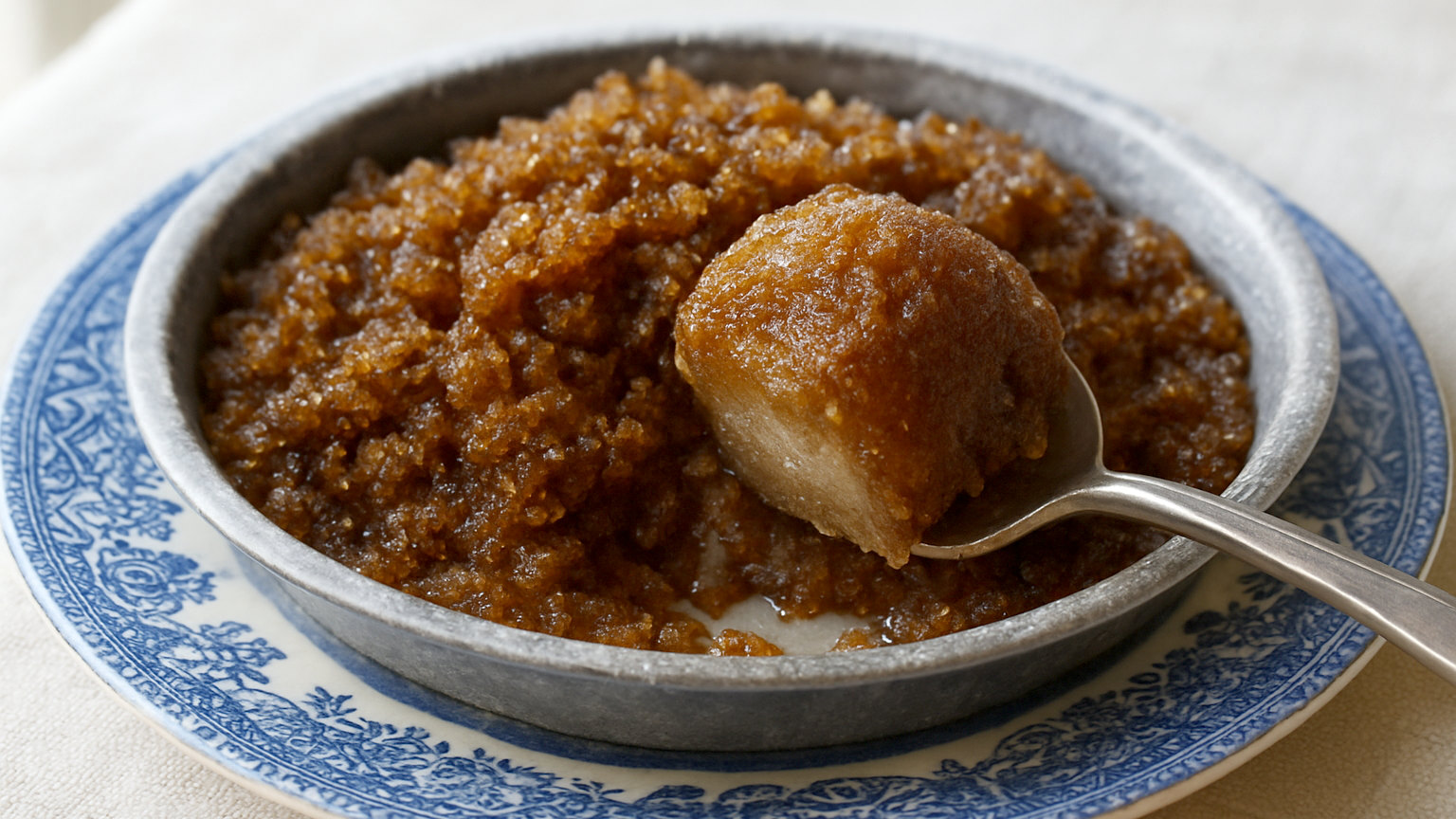
Strong sweetened espresso frozen and raked into glittering crystals, served with whipped cream. Breakfast in Sicily, dessert everywhere else.
An almost black sorbet with a bracing sharpness, made from cooked blackcurrants. The most intense fruit sorbet there is.
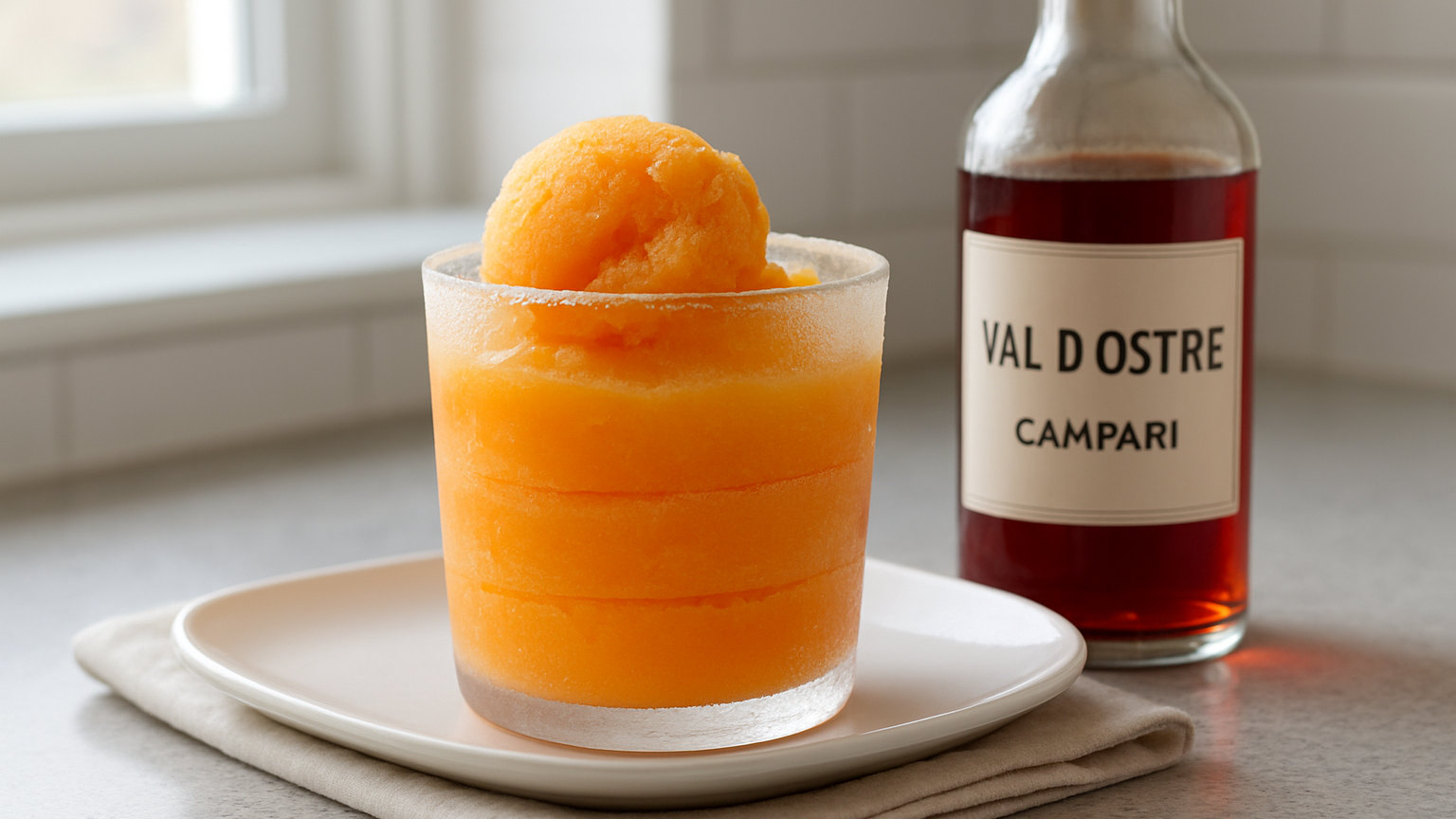
A bitter-edged orange sorbet with a measure of Campari, which adds its own bitterness and keeps the texture soft. Strictly for adults.
A pale, fragrant sorbet with a soft, almost slushy texture from the wine. Elegant enough to serve between courses or as a light dessert.