Layered Mousse Desserts in Glasses
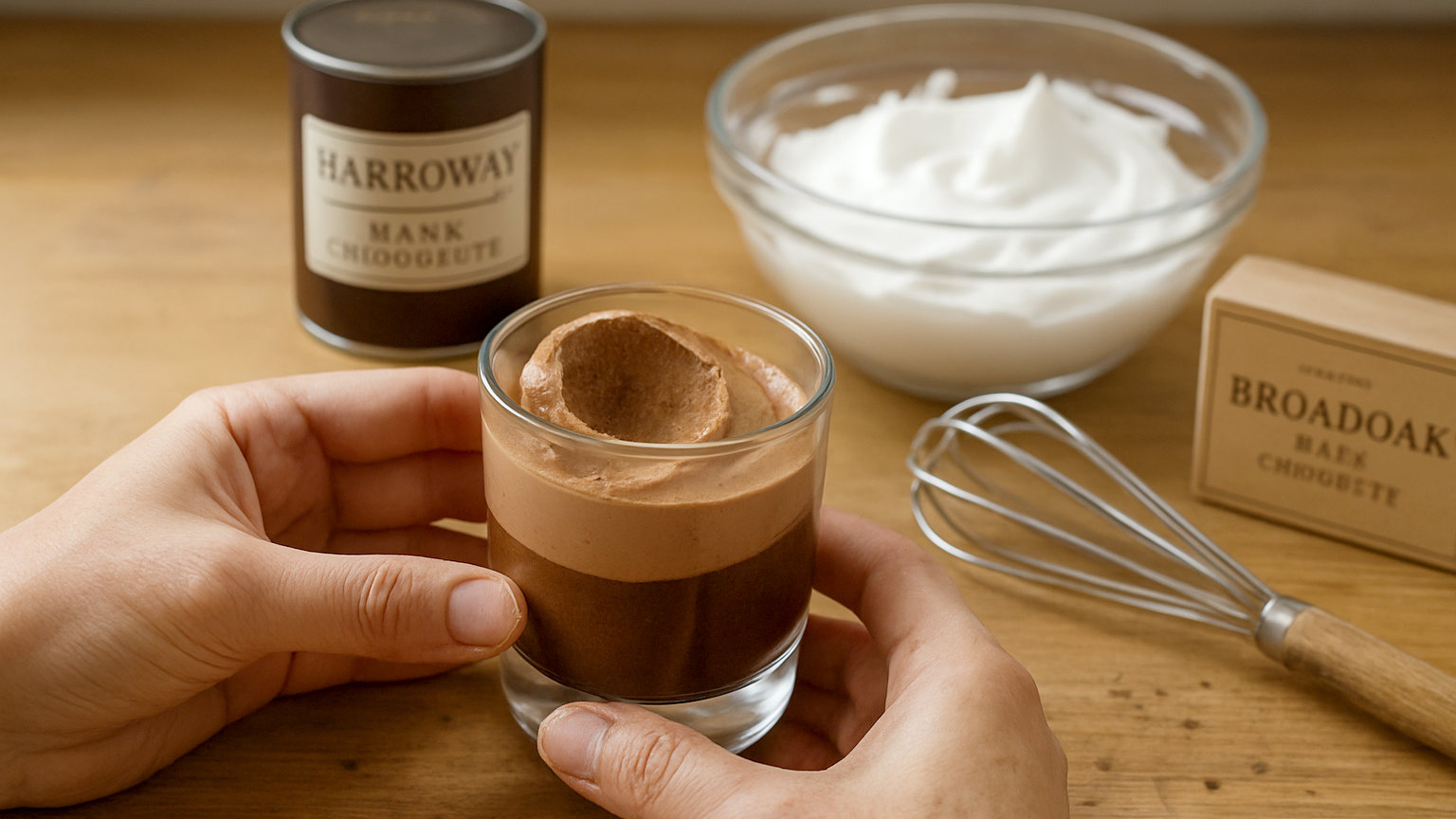
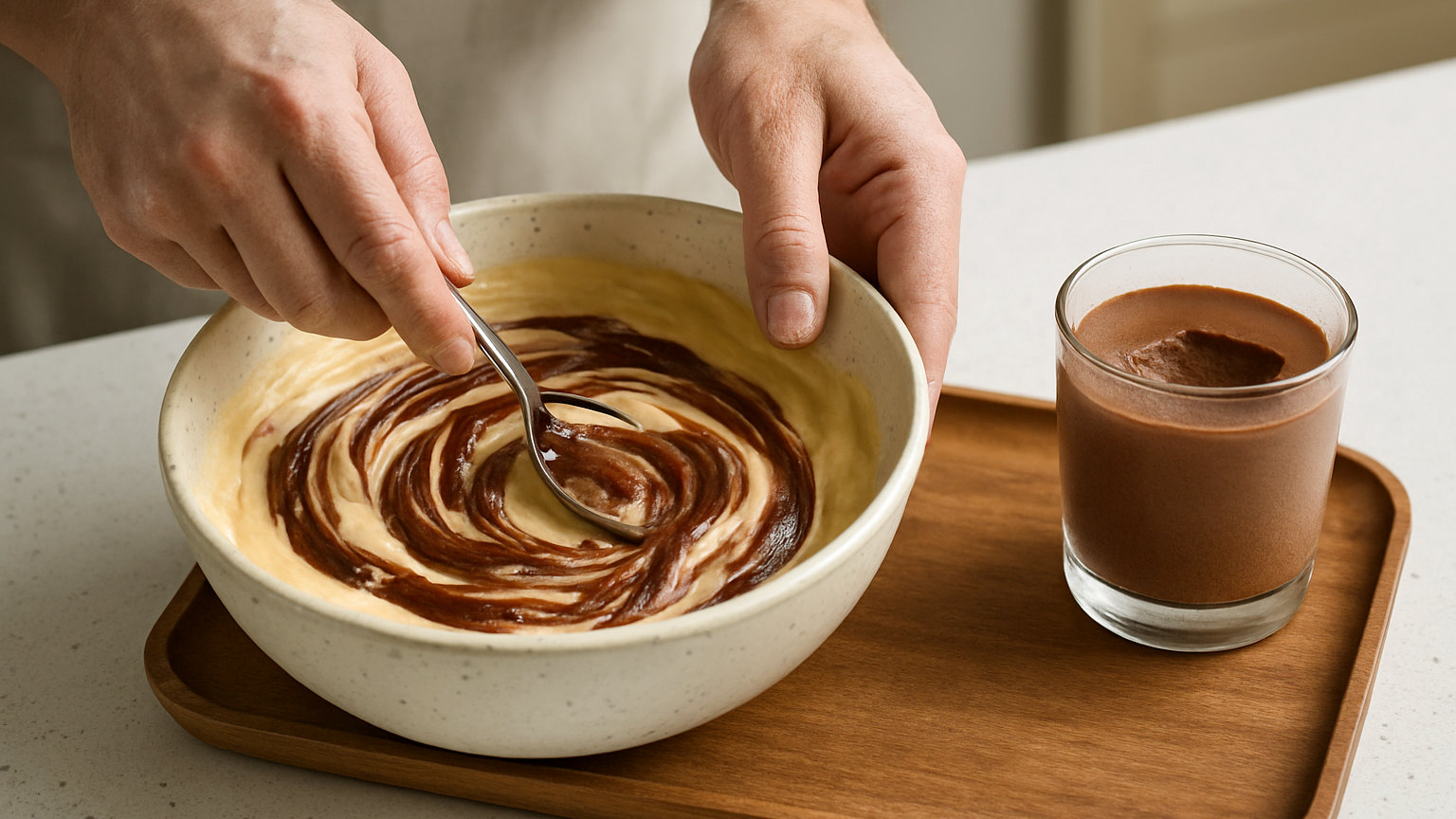
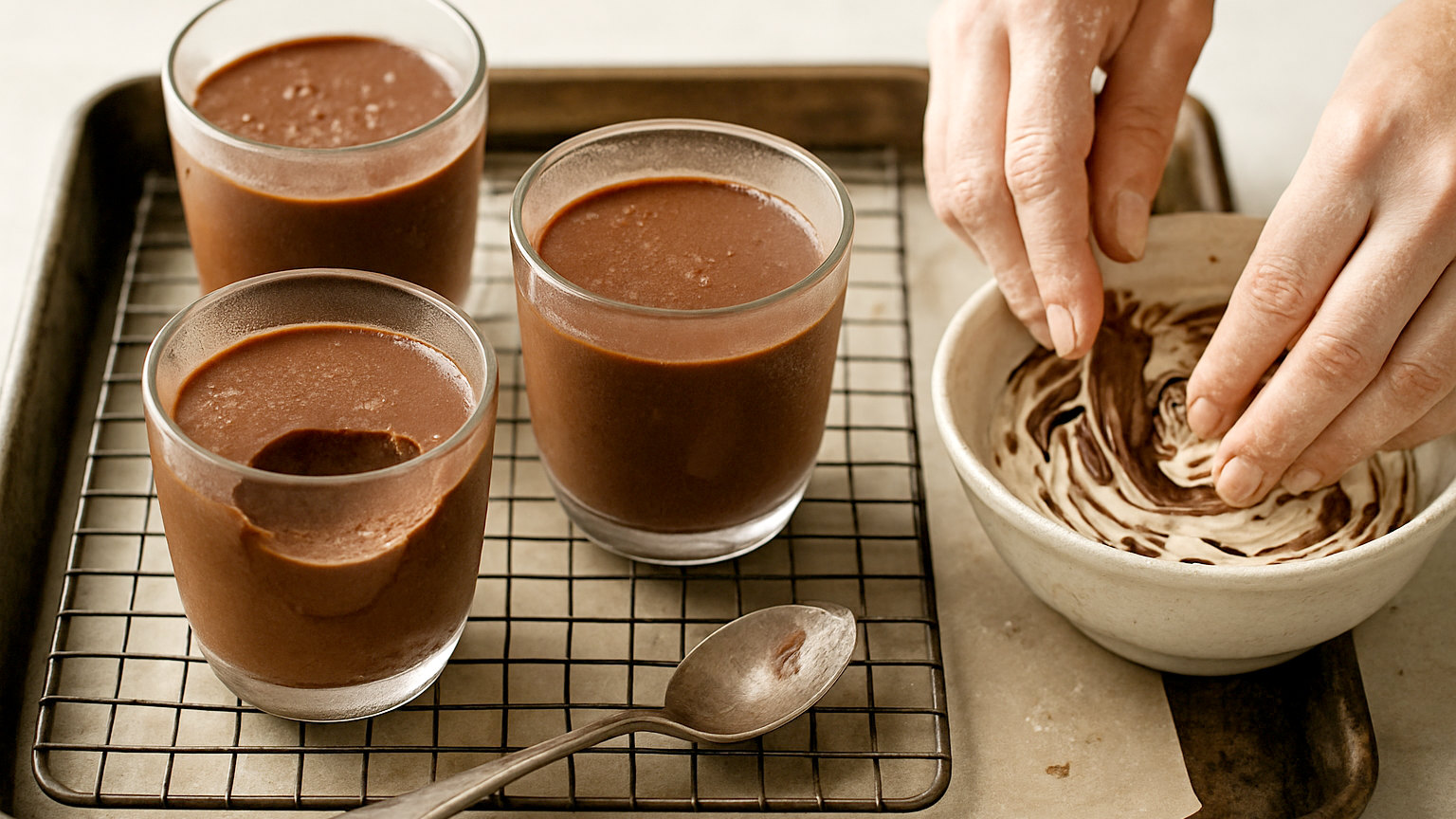
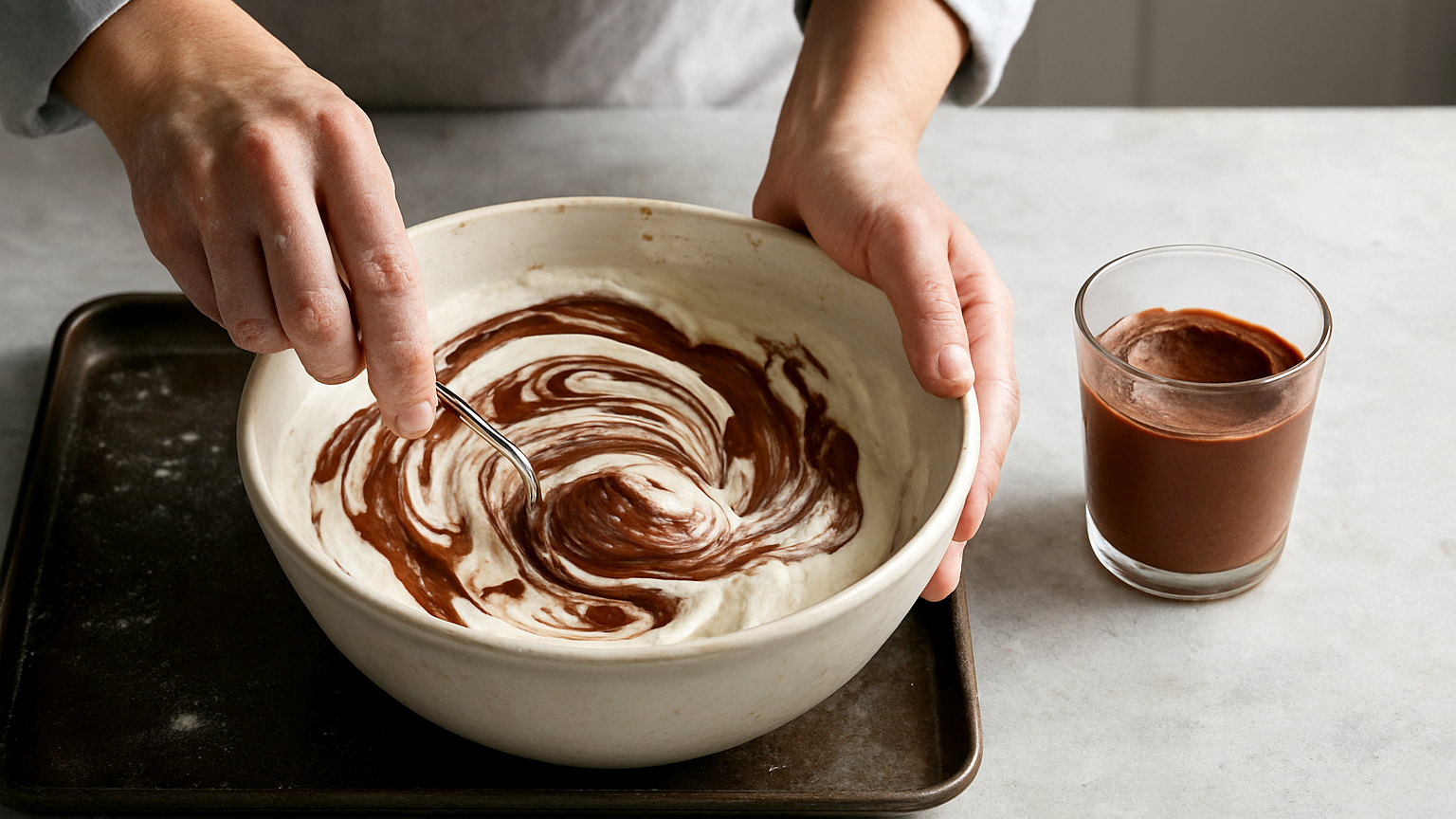
Two or three mousses set in bands in a glass, which looks impressive and needs no more skill than making each one separately.
By Dessert Recipes Kitchen
4 Aug 2026

Chocolate mousse, lemon mousse, raspberry, white chocolate and egg-free aquafaba mousses, light enough to follow a big meal. We cover folding without knocking out the air, setting with and without gelatine, and when to use British Lion or pasteurised eggs.
Two or three mousses set in bands in a glass, which looks impressive and needs no more skill than making each one separately.
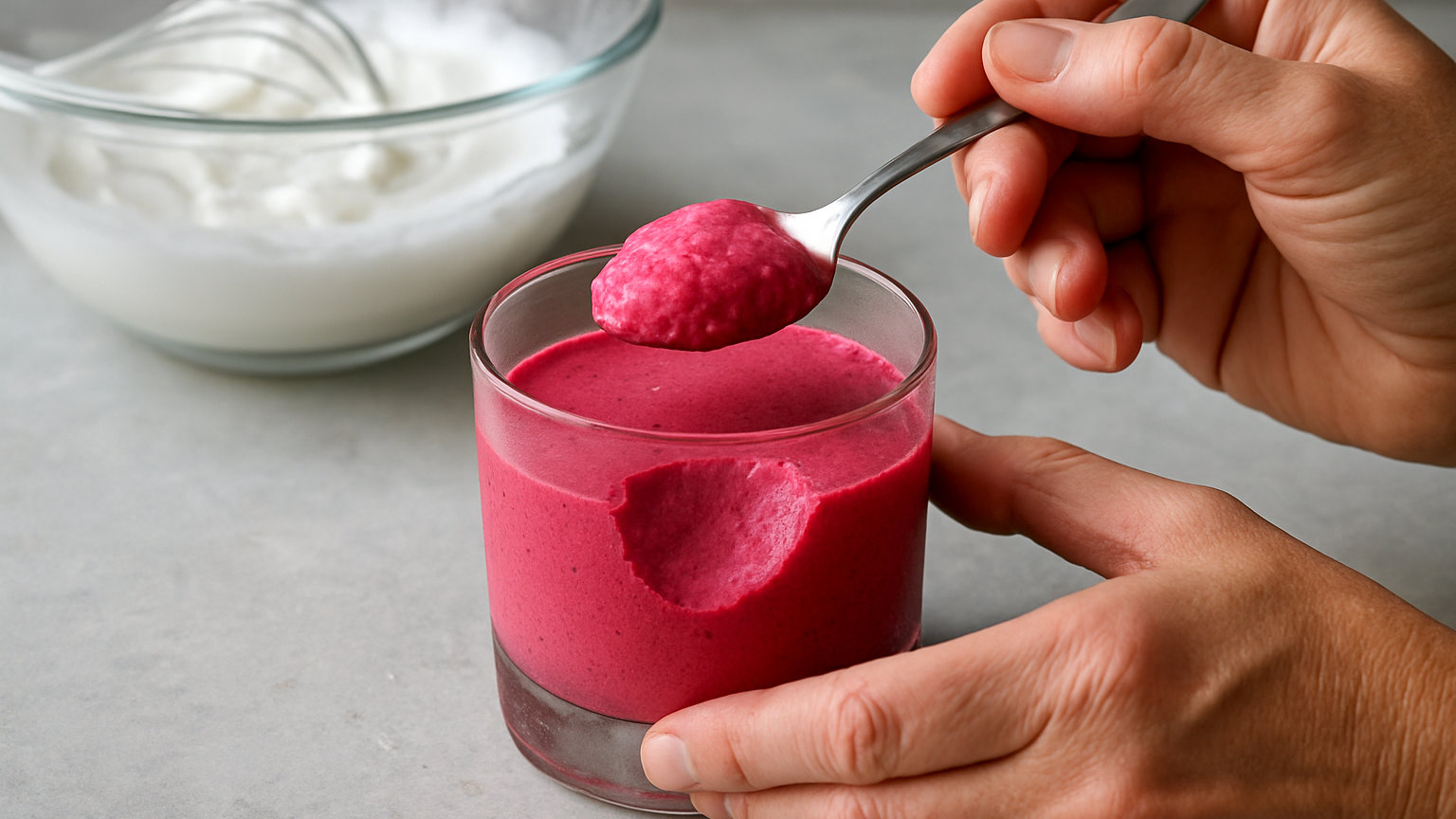
A sharp pink mousse made from sieved raspberry purée and whipped cream. The sharpest of the fruit mousses and the easiest to get right.
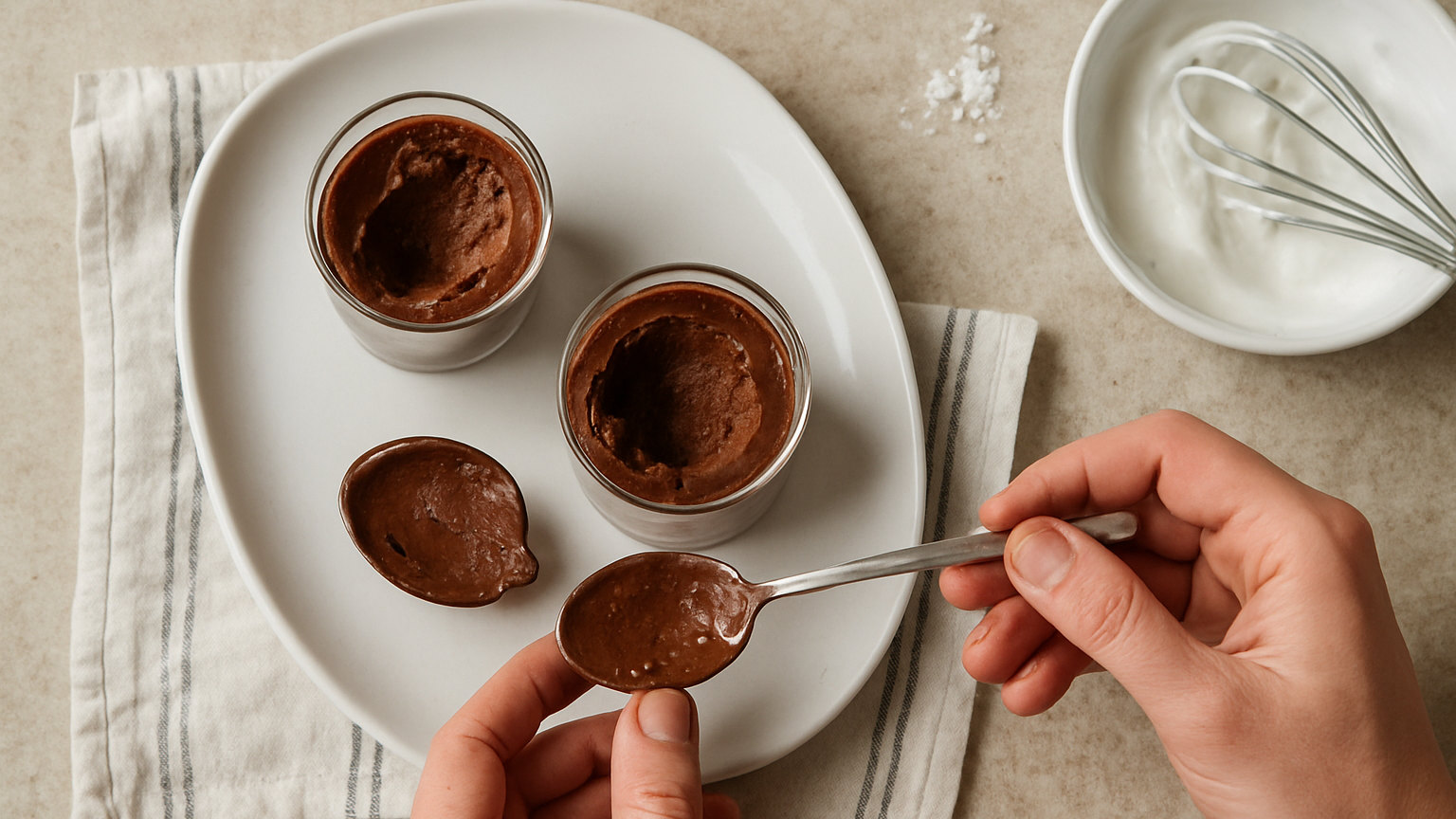
How cocoa percentage changes the set, why chocolate chips do not work, and how much of each kind to use for a mousse that holds.
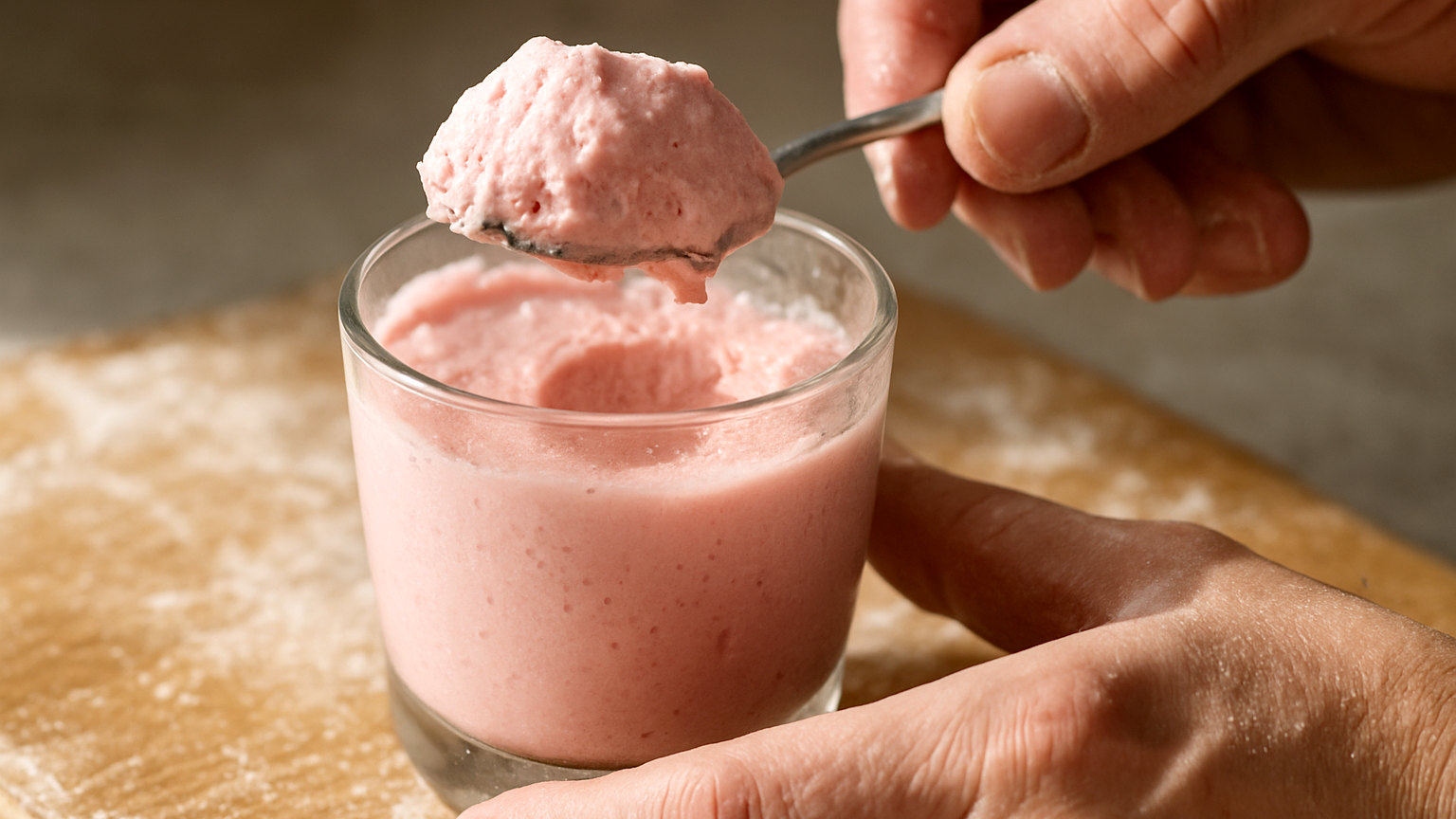
A pale pink summer mousse made from puréed strawberries, set lightly with gelatine and folded through whipped cream.
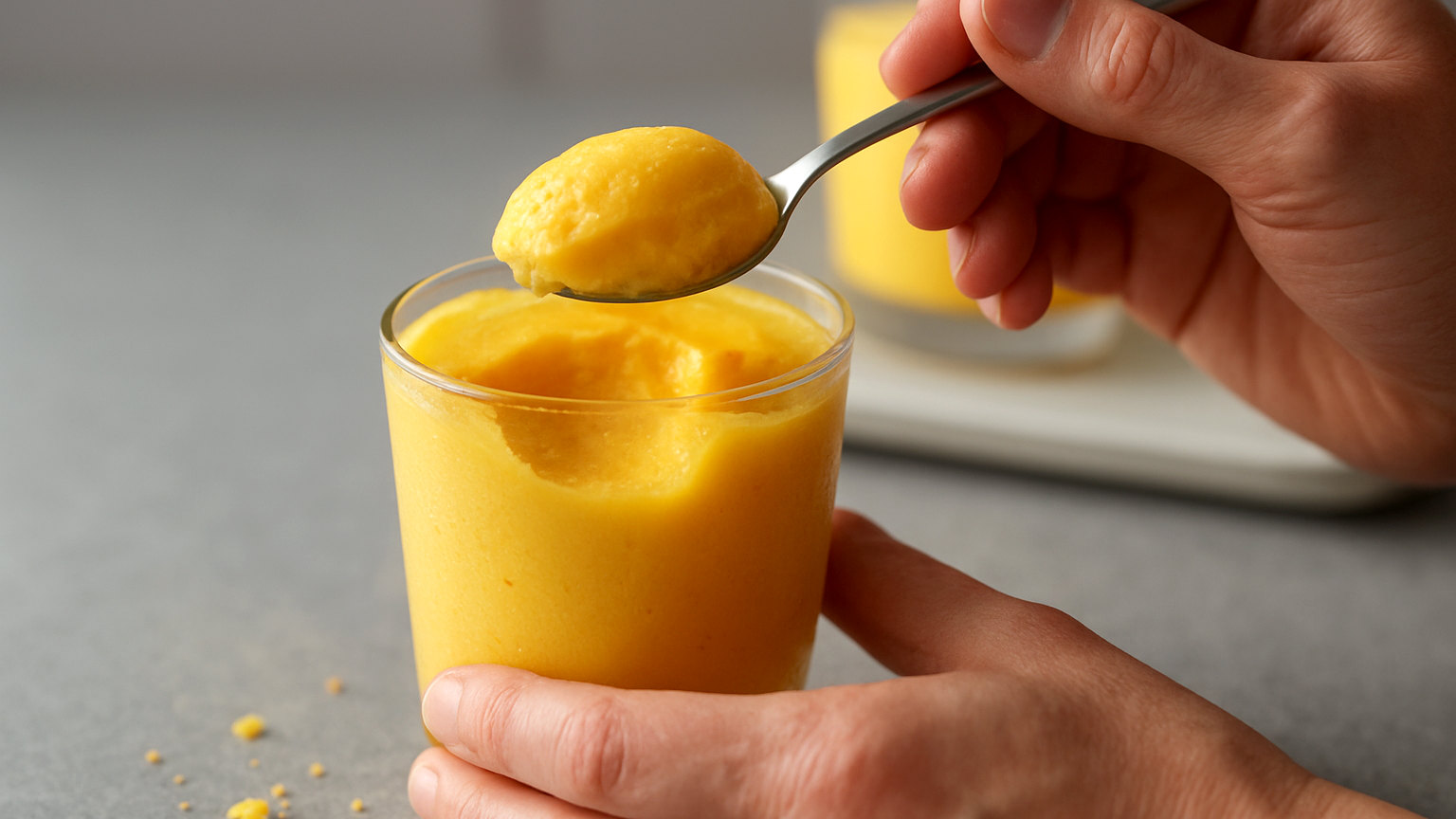
A golden, fragrant mousse made from ripe mango purée set lightly with gelatine. Light, tropical and much sharper than it looks.
Runny, grainy, dense or weeping. The common mousse faults, what causes each one and which of them can be rescued.
How to make a mousse firm enough to hold sponge layers without collapsing, and how to assemble a mousse cake that slices cleanly.
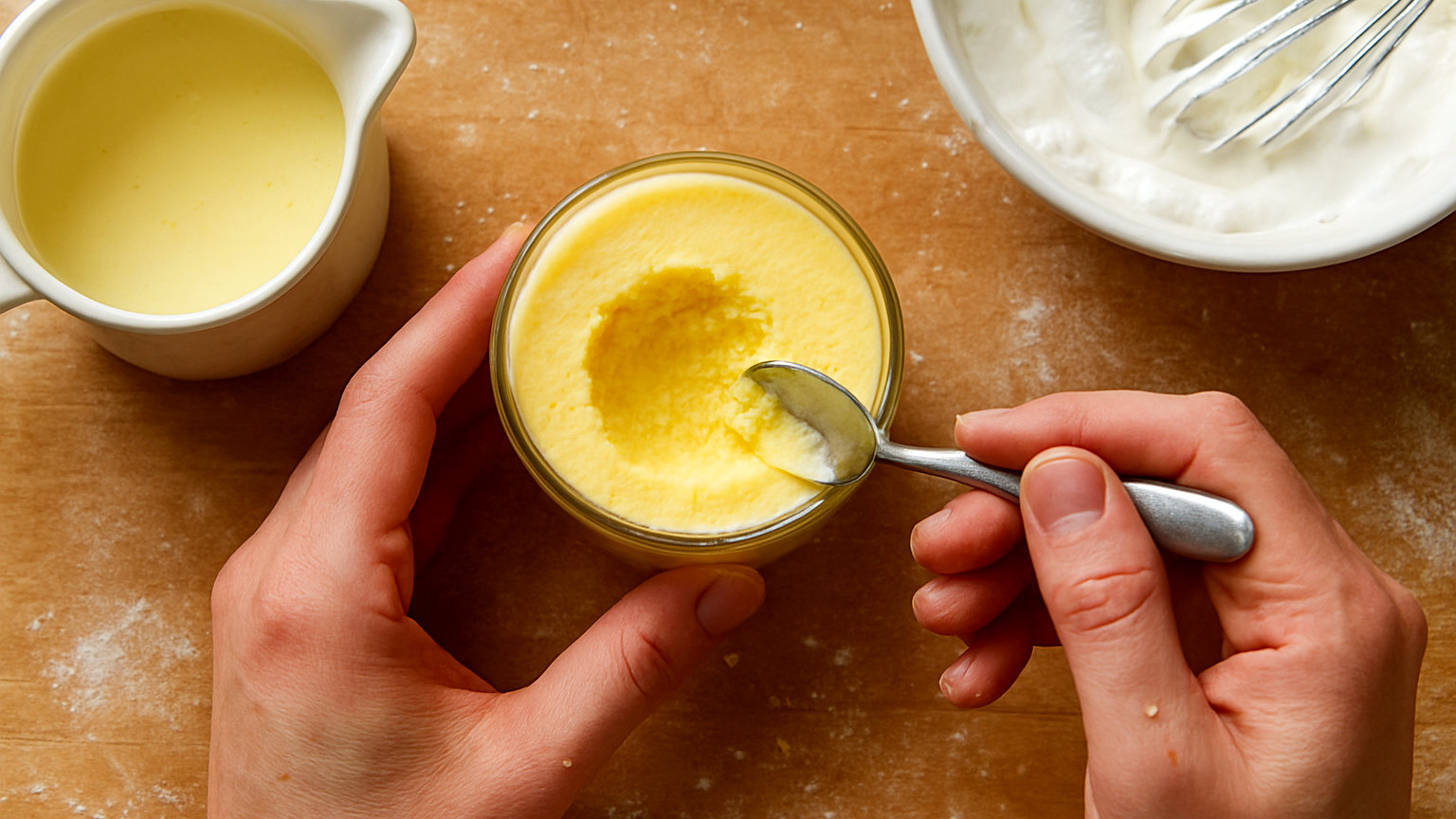
A light, sharp lemon mousse set with gelatine and lightened with whipped cream. Clean-tasting and far less rich than a chocolate one.
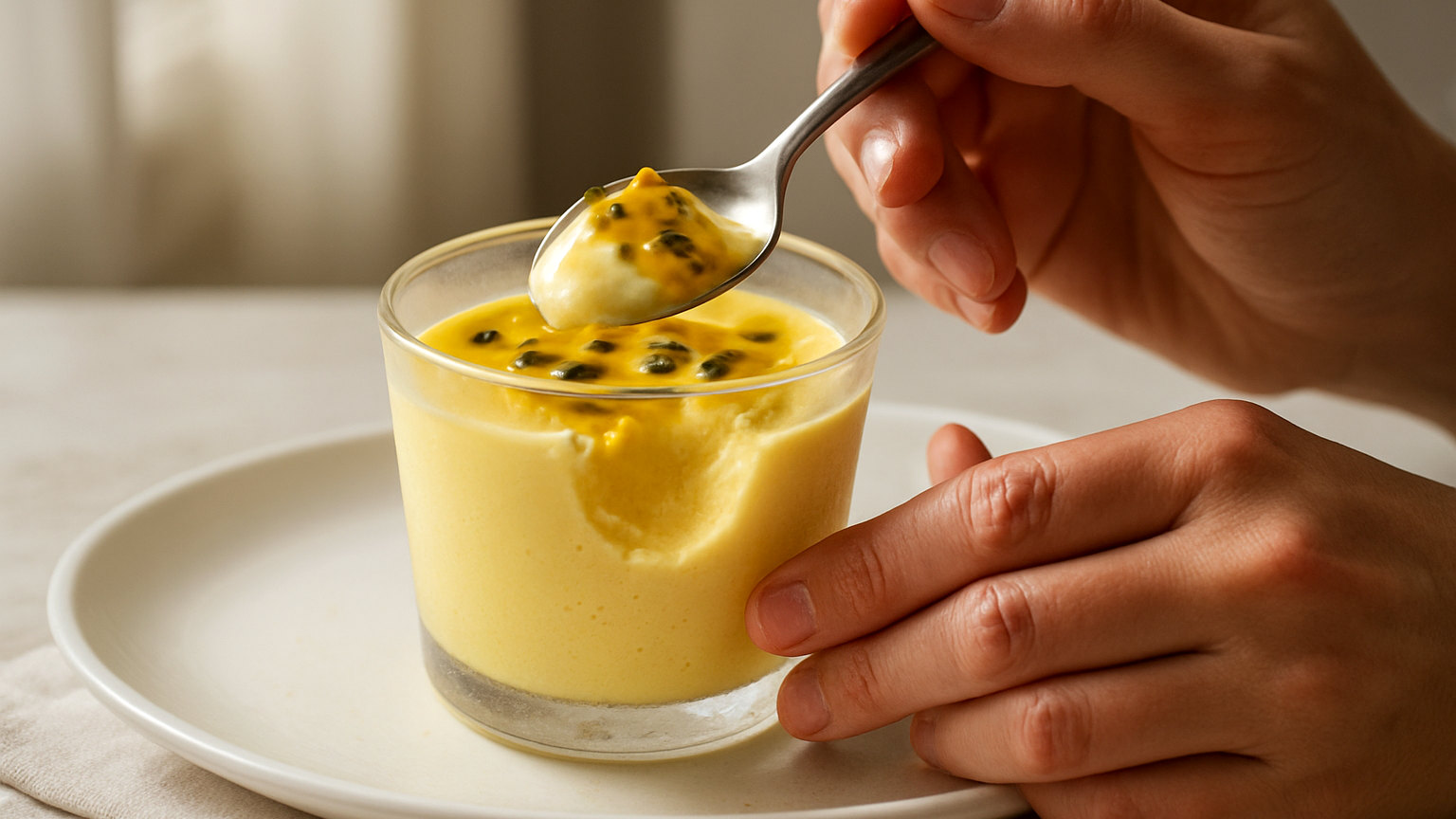
An intensely tart tropical mousse set with white chocolate, with the seeds spooned over at the last minute for crunch.
The technique that keeps air in a mousse or souffle, why the bowl must be spotless and how to tell when to stop.
How much gelatine to use, how to soften leaves and powder, and the temperature rules that decide whether a mousse sets or stays liquid.
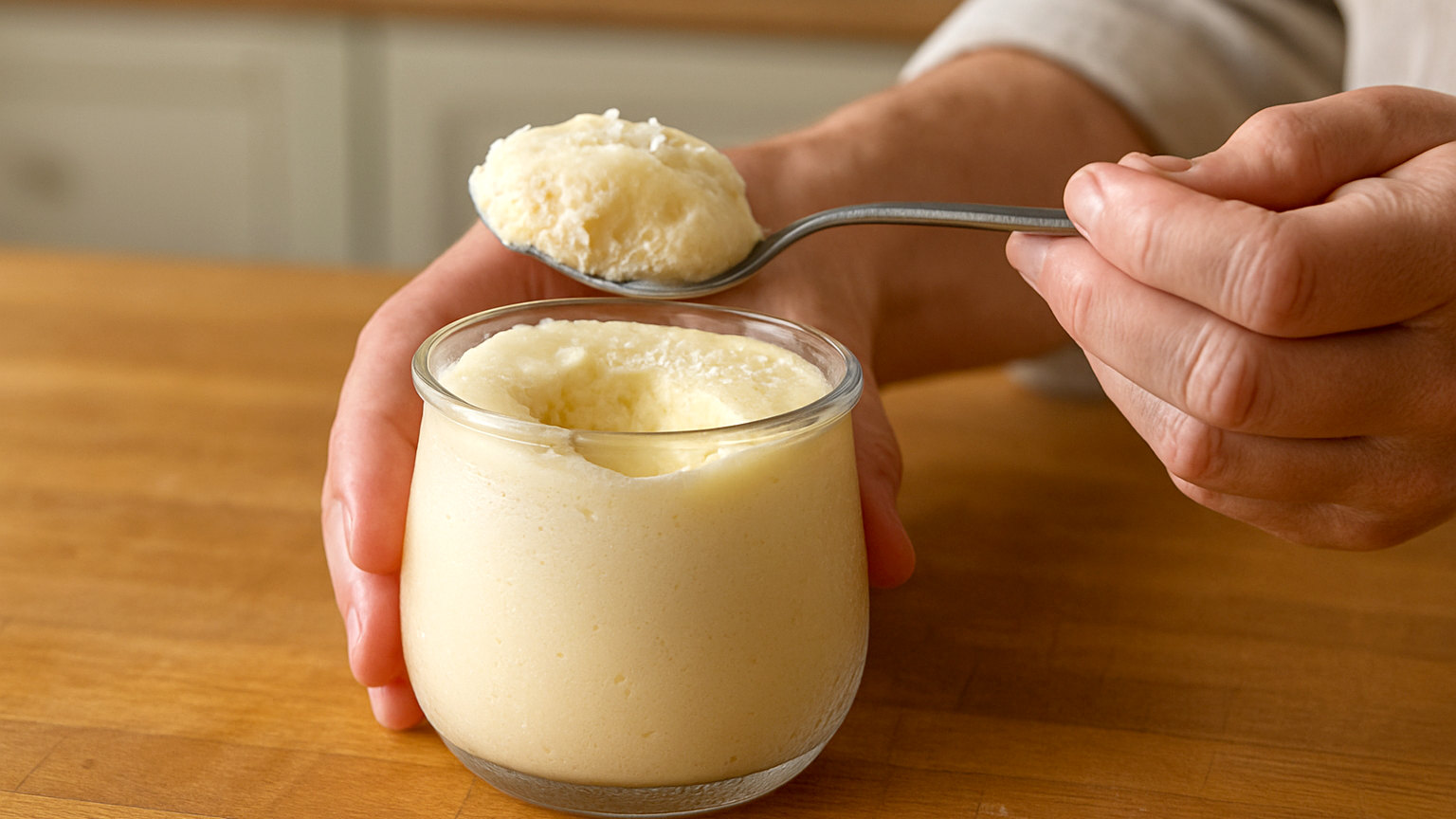
A sweet, silky mousse set with white chocolate and lightened with whipped cream, sharpened with lemon so it does not cloy.