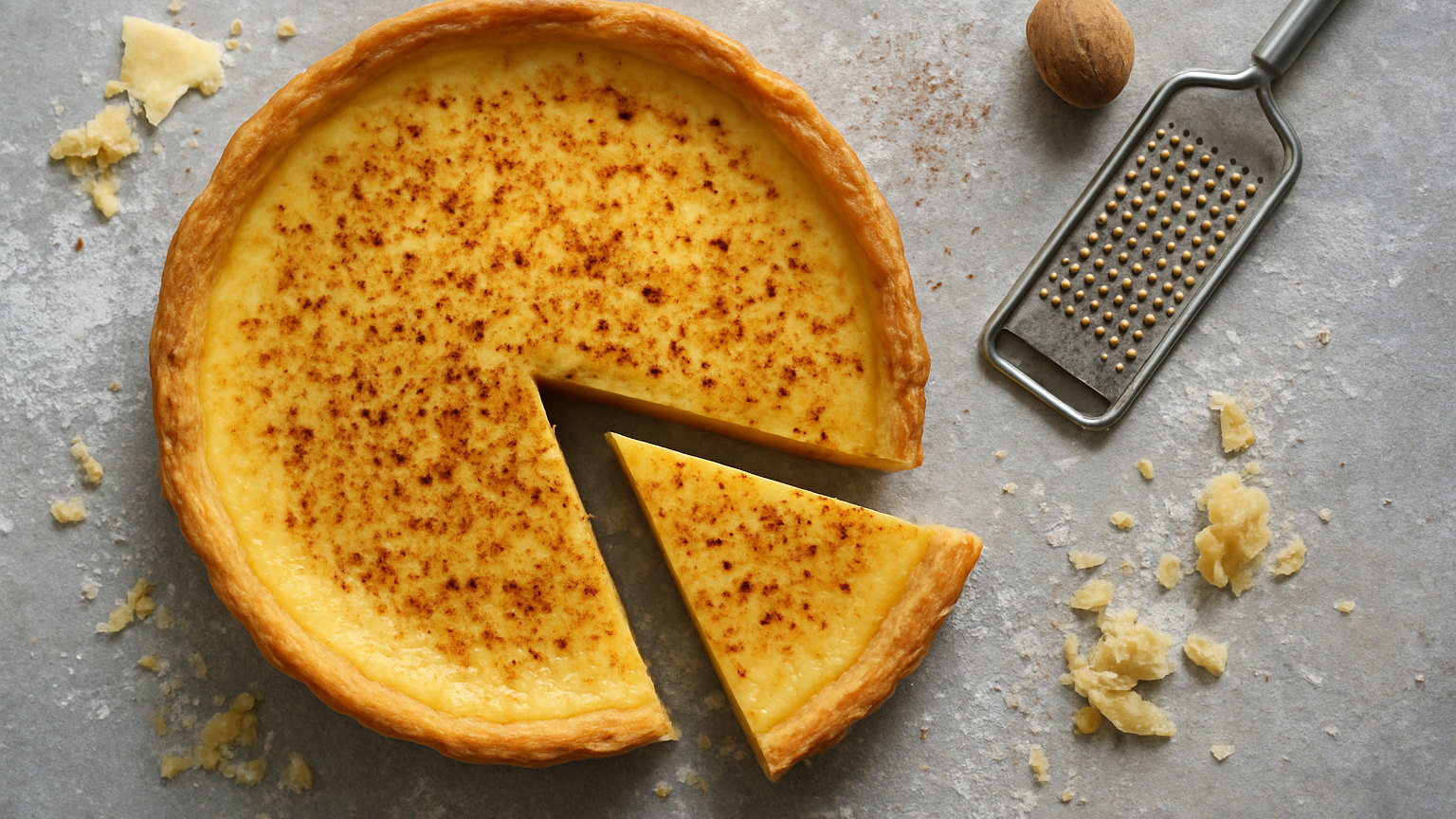
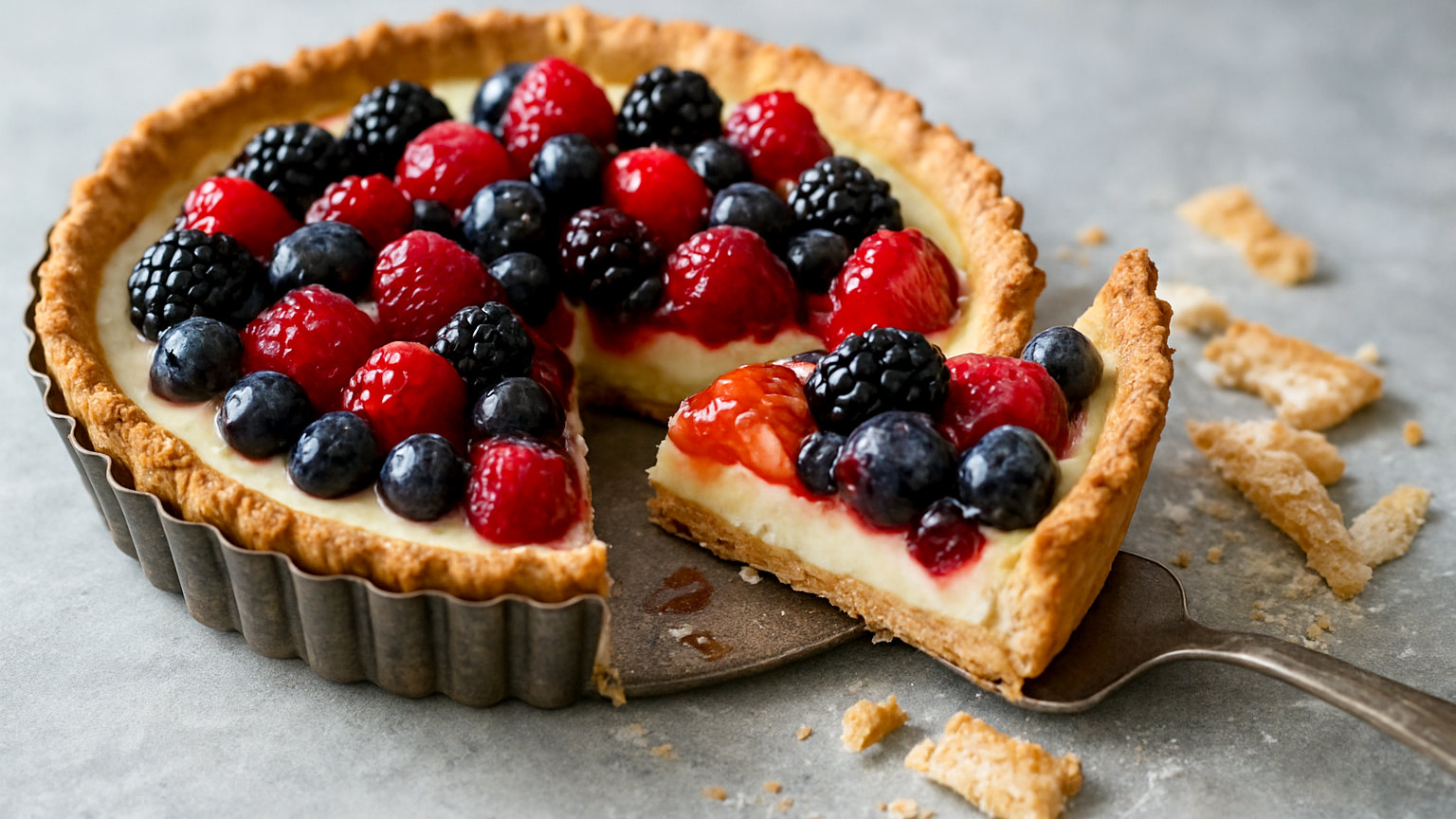
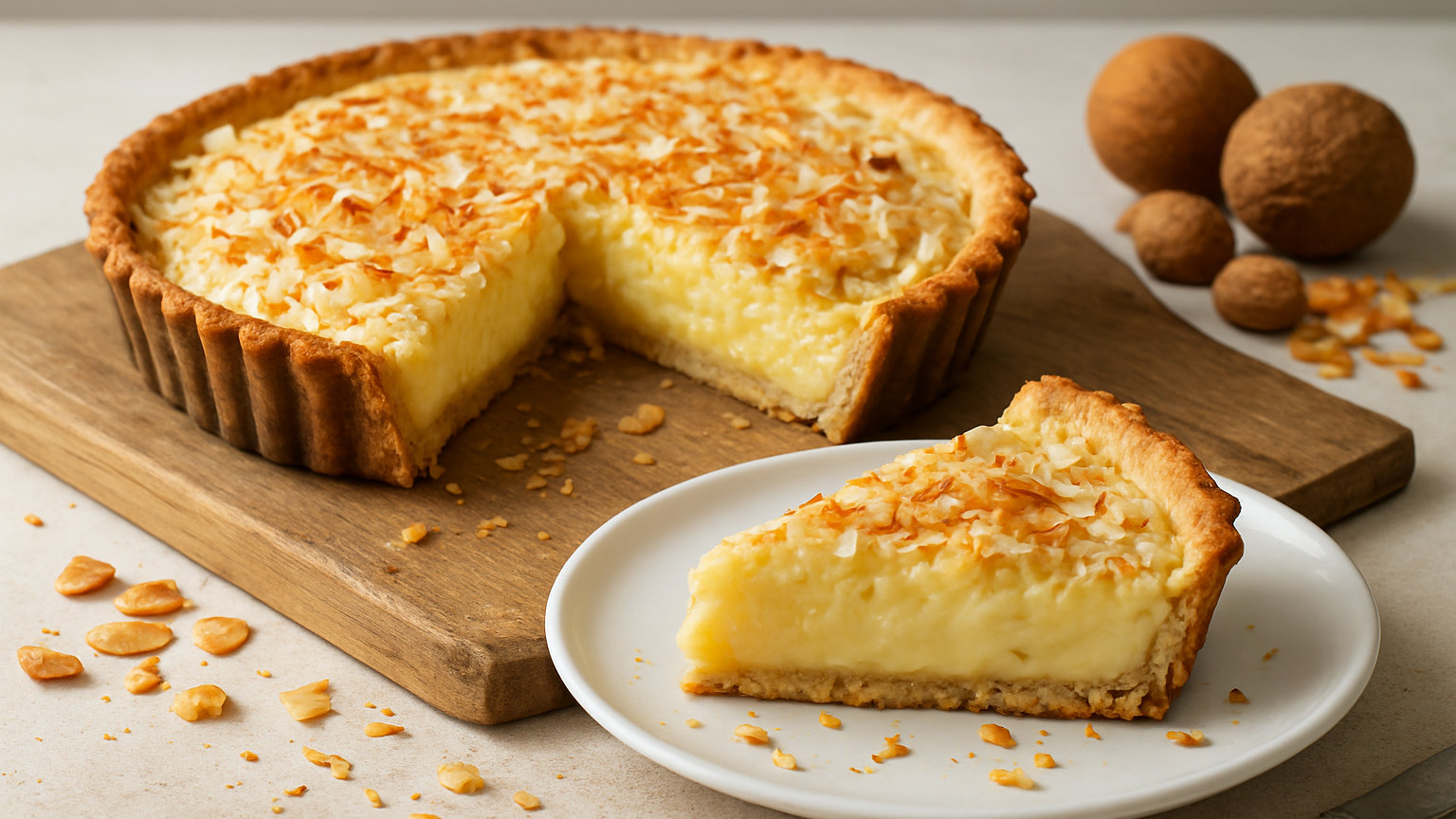
A butterscotch pie is a crisp, blind-baked pastry case filled with a silky, set custard flavoured with dark brown sugar and butter, then topped with whipped cream. It has a deep, rich, toffee-like flavour and a smooth, creamy texture. Many people in Britain remember a butterscotch tart from school dinners, and this homemade version brings back that nostalgic taste with a far richer, more luxurious filling.
What is the difference between butterscotch and caramel?
Caramel is made by cooking white sugar until it melts and turns amber, sometimes with cream added. Butterscotch is made by cooking brown sugar with butter, which gives a softer, rounder, more toffee-like flavour. Because brown sugar already contains molasses, butterscotch has depth without needing to be cooked as dark as caramel, so it is less likely to turn bitter.
Why use dark brown sugar?
Dark brown sugar contains more molasses than light brown sugar, which gives the butterscotch custard a deeper colour and a richer, more complex flavour. Light brown sugar can be used for a gentler taste. Avoid white sugar, which will not give the characteristic butterscotch flavour.
What ingredients do you need?
For the pastry case
- 175g plain flour
- 1 tbsp icing sugar
- 85g cold unsalted butter, cubed
- 1 egg yolk and 1 to 2 tbsp cold water
For the filling
- 150g dark brown soft sugar
- 50g unsalted butter
- 500ml whole milk
- 3 large egg yolks
- 35g cornflour
- A pinch of fine salt
- 1 tsp vanilla extract
To finish
- 250ml double cream
- 1 tbsp icing sugar
- Grated chocolate or crushed honeycomb, optional
How do you make butterscotch pie?
- Make the pastry, line a 23cm loose-bottomed tart tin and blind bake at 200°C (180°C fan), gas 6, for 15 minutes with paper and beans, then 10 minutes without, until fully cooked and golden. Cool.
- Melt the brown sugar and butter together in a saucepan over a medium heat, stirring, until bubbling and smooth. Cook for one minute.
- Carefully whisk in 400ml of the milk. The mixture may spit and the sugar may seize; keep stirring over the heat until it dissolves.
- In a bowl, whisk the egg yolks, cornflour, salt and remaining milk until smooth.
- Pour a little of the hot butterscotch into the yolk mixture, whisking, then pour it all back into the pan.
- Cook over a medium heat, whisking constantly, until very thick and bubbling. Stir in the vanilla.
- Pour into the pastry case, cover the surface with baking paper and chill for at least four hours until set.
- Whip the cream with the icing sugar and spread over the pie before serving.
Whisk constantly: the custard can catch on the base of the pan and turn lumpy. Keep whisking, especially around the edges, until it is thick and smooth.
Why did my filling not set?
The cornflour must come to the boil to thicken properly. If the filling is runny, it probably was not cooked for long enough. Keep whisking until large bubbles appear and it is very thick, then cook for another minute. It will firm up further as it chills.
Why was butterscotch tart a school dinner favourite?
The tart was cheap and quick to make in large trays using milk, sugar and a few pantry staples, which made it a regular on school dinners menus in the second half of the twentieth century. Many versions used a packet of custard powder with brown sugar. This homemade butterscotch custard is richer, with a proper toffee flavour.
How long does it keep?
Keep the pie covered in the fridge for up to three days. Add the cream on the day of serving. It does not freeze well, as the custard can turn watery when thawed.
Can you top it with meringue instead?
Yes. Whisk the three leftover egg whites with 150g caster sugar to stiff, glossy peaks, spread over the warm butterscotch filling right to the pastry edge, and bake at 180°C (160°C fan) for 15 minutes until golden. This makes a butterscotch meringue pie, a lovely alternative to whipped cream.